
Why Do Foundations Sink? (+ How to Fix a Sinking Foundation)
Chris Windler • May 31, 2024

May 31, 2024

Sinking foundations are a serious concern for homeowners, potentially leading to significant structural damage and costly repairs. Understanding why this phenomenon happens and recognizing the early signs can make a crucial difference in managing this issue. Here, we’ll explore the primary causes of foundation sinking, outline the early warning signs, and discuss effective solutions to fix a sinking foundation.

Causes of Foundation Sinking

1. Soil Conditions

The type of soil beneath your home plays a crucial role in foundation stability. Soils such as clay can expand when wet and shrink when dry, creating movement that affects the foundation. Similarly, poorly compacted soil can compress under the weight of a building, leading to settling or sinking over time.

2. Water Influence

Excess water from flooding, poor drainage, or plumbing leaks can lead to soil erosion or expansion around the foundation. This hydrostatic pressure pushes against the foundation walls, leading to potential bowing, cracking, and sinking.

3. Environmental Changes

Weather conditions such as droughts and heavy rains can drastically affect the soil volume and pressure around your foundation. Drought causes the soil to shrink away from the foundation, while excessive rain can oversaturate the soil, increasing the hydrostatic pressure against the foundation walls.

Early Signs of a Sinking Foundation

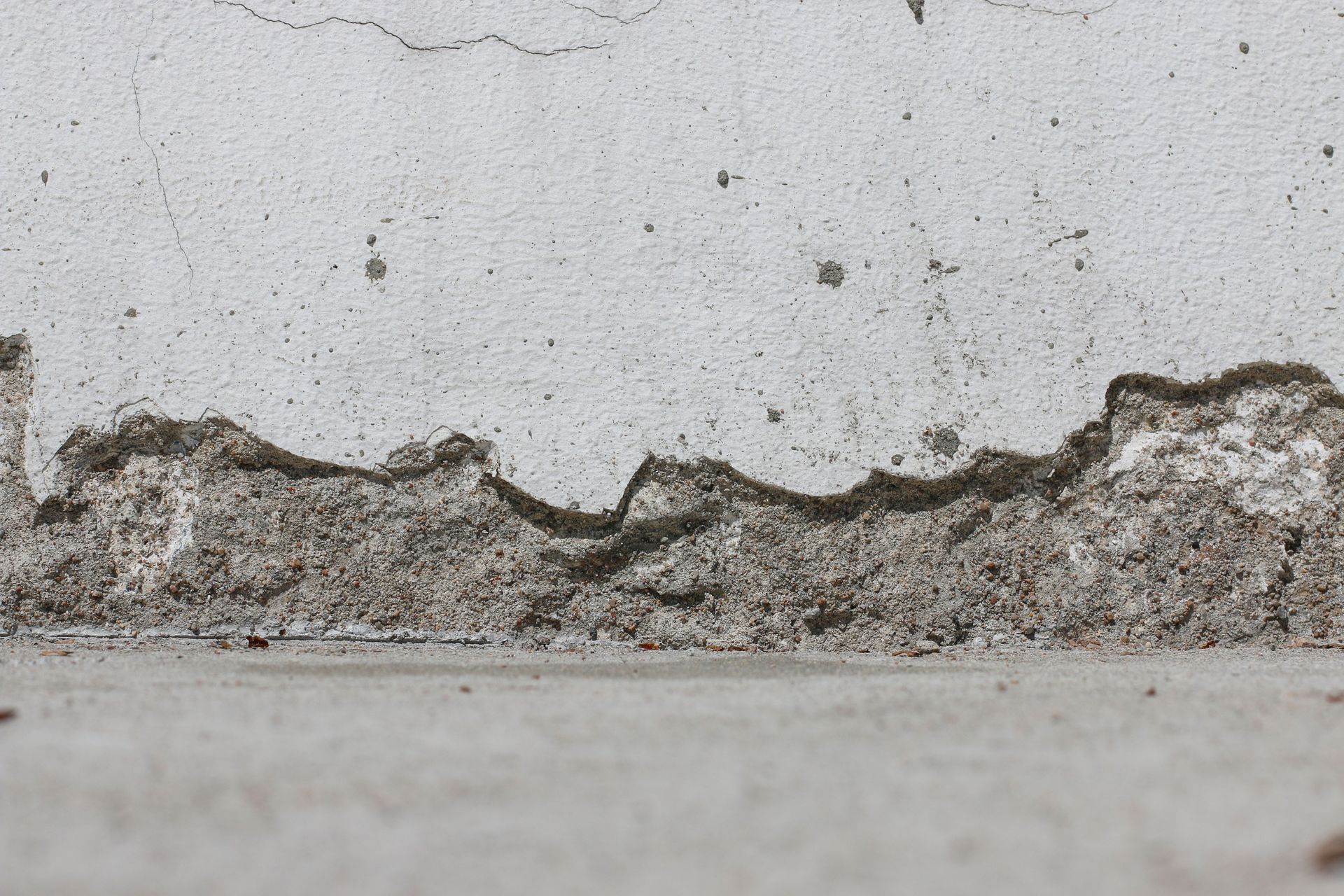
Recognizing the early signs of foundation problems can save you from costly repairs down the line. Key indicators include:

  • Cracks in the foundation walls or floors.
  • Doors and windows that stick or fail to close properly.
  • Visible gaps between walls and the ceiling or floor.
  • Uneven or sloping floors.

These symptoms suggest that part of your foundation may be settling at a different rate than the rest of your house.

How to Fix a Sinking Foundation

Helical Piers

One effective method to address foundation sinking is the installation of helical piers. These steel pins are driven into the ground to a stable soil layer and connected to your foundation, providing support and potentially lifting the foundation back to its original level.

Proper Drainage

Ensuring proper drainage around your home is crucial. This involves grading the soil away from the foundation, installing functional gutters, and using downspouts that direct water away from the building. These measures help reduce the hydrostatic pressure on the foundation walls.

Soil Modification

In some cases, the soil around the foundation can be stabilized or replaced with material that provides better support. Techniques like slabjacking or mudjacking are used to lift and stabilize sinking concrete slabs by injecting a cement-like mixture beneath the slab.

Professional Assessment

If you suspect your foundation is sinking, it’s essential to get a professional assessment from a reputable foundation repair specialist. They can provide a detailed inspection and recommend the best repair method tailored to your specific situation.

In Summary

Foundation sinking is a serious issue that requires immediate attention to prevent extensive damage to your home. By understanding the causes and recognizing the early signs, you can take proactive steps to address the problem.

If you’re concerned about your foundation’s integrity, don’t hesitate to contact us for a thorough evaluation and expert repair solutions. Remember, addressing foundation issues early can save you from significant repairs and maintain your home’s value and safety.

By Chris Windler January 13, 2026
Foundation settling is one of the most common structural issues in Midwest homes. It develops as soil beneath the foundation expands, contracts, or compresses under pressure. Our work focuses on diagnosing these movements accurately and applying foundation settling repair solutions that restore proper support.  What Is Foundation Settling (and When It Becomes a Problem) Foundation […] The post A Guide to Foundation Settling Repair appeared first on Windler Foundation Repair Systems.
By Chris Windler January 6, 2026
Basement wall repair becomes necessary when cracks, bowing, or leaning walls appear under pressure from soil movement or excess moisture. These problems don’t fix themselves and often worsen as Kansas and Missouri’s clay soil expands and contracts throughout the year. When this pressure builds, many homeowners try quick fixes that don’t last. Wrong repair methods […] The post Basement Wall Repair: What Works & What Doesn’t appeared first on Windler Foundation Repair Systems.
By Chris Windler December 9, 2025
A wall crack is often the first visible sign that your home’s foundation may be shifting, settling, or under pressure. Small cracks might seem minor, but they can reveal deeper soil or drainage issues. Identifying the cause early helps prevent costly structural repairs and protects your investment. Most Common Types of Foundation Cracks 1. Hairline […] The post Foundation Wall Crack 101: Types, Causes, and Fixes appeared first on Windler Foundation Repair Systems.
Show More →