
What is the Best Way to Waterproof a Basement? (Top 3 Methods)
Chris Windler • June 4, 2024

June 4, 2024

Basements are invaluable spaces in many homes, serving as extra living areas, storage, or entertainment rooms. However, the threat of water damage can turn this valuable space into a homeowner’s nightmare. Waterproofing your basement is a critical step towards ensuring it remains dry, safe, and structurally sound. But what is the best way to waterproof a basement?

In this guide, we’ll explore the top three methods to effectively shield your basement against water intrusion. From simple sealants to comprehensive exterior waterproofing, discover how you can protect your home and enhance your peace of mind.

Method 1: Sealants and Epoxy Injections

Sealants

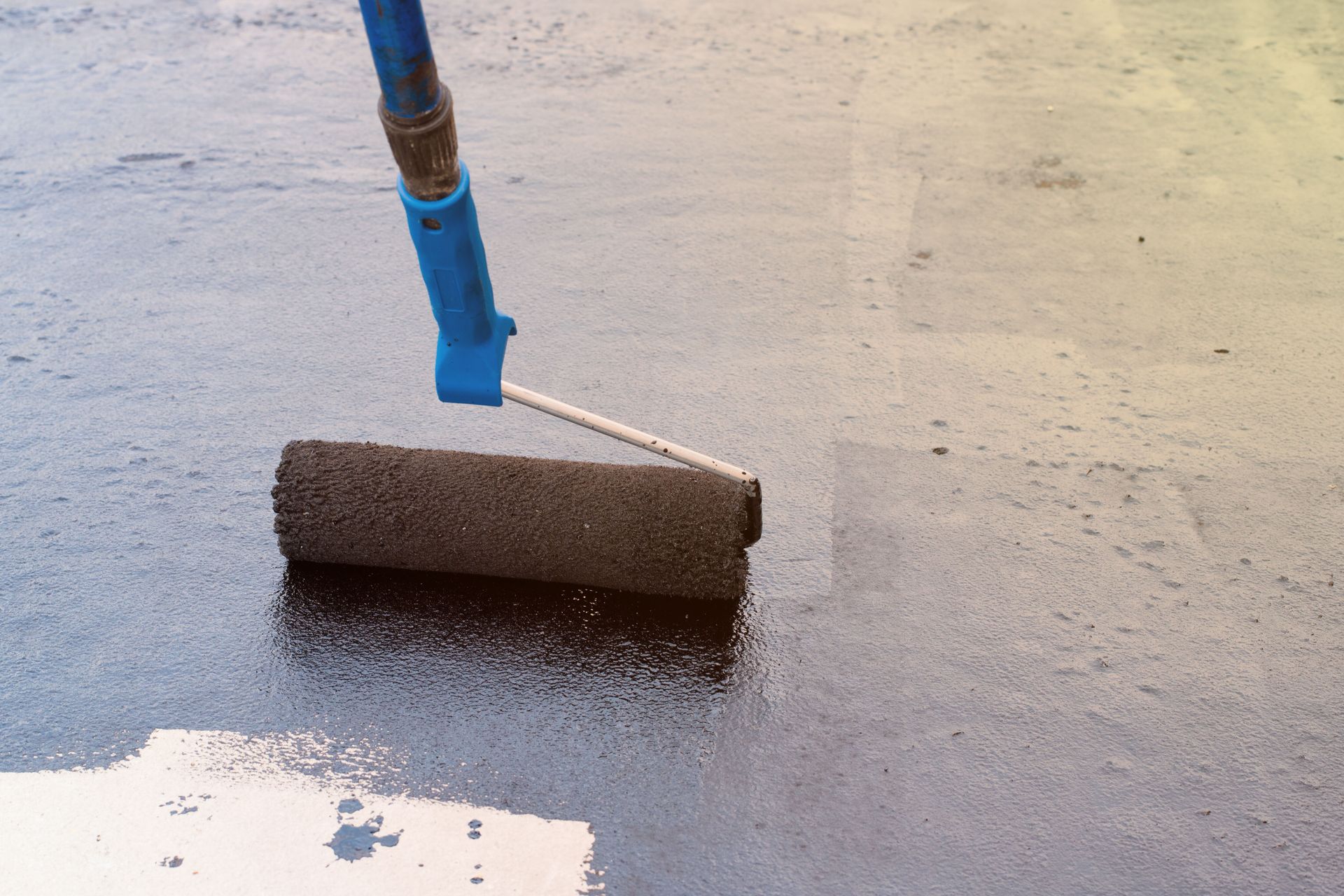
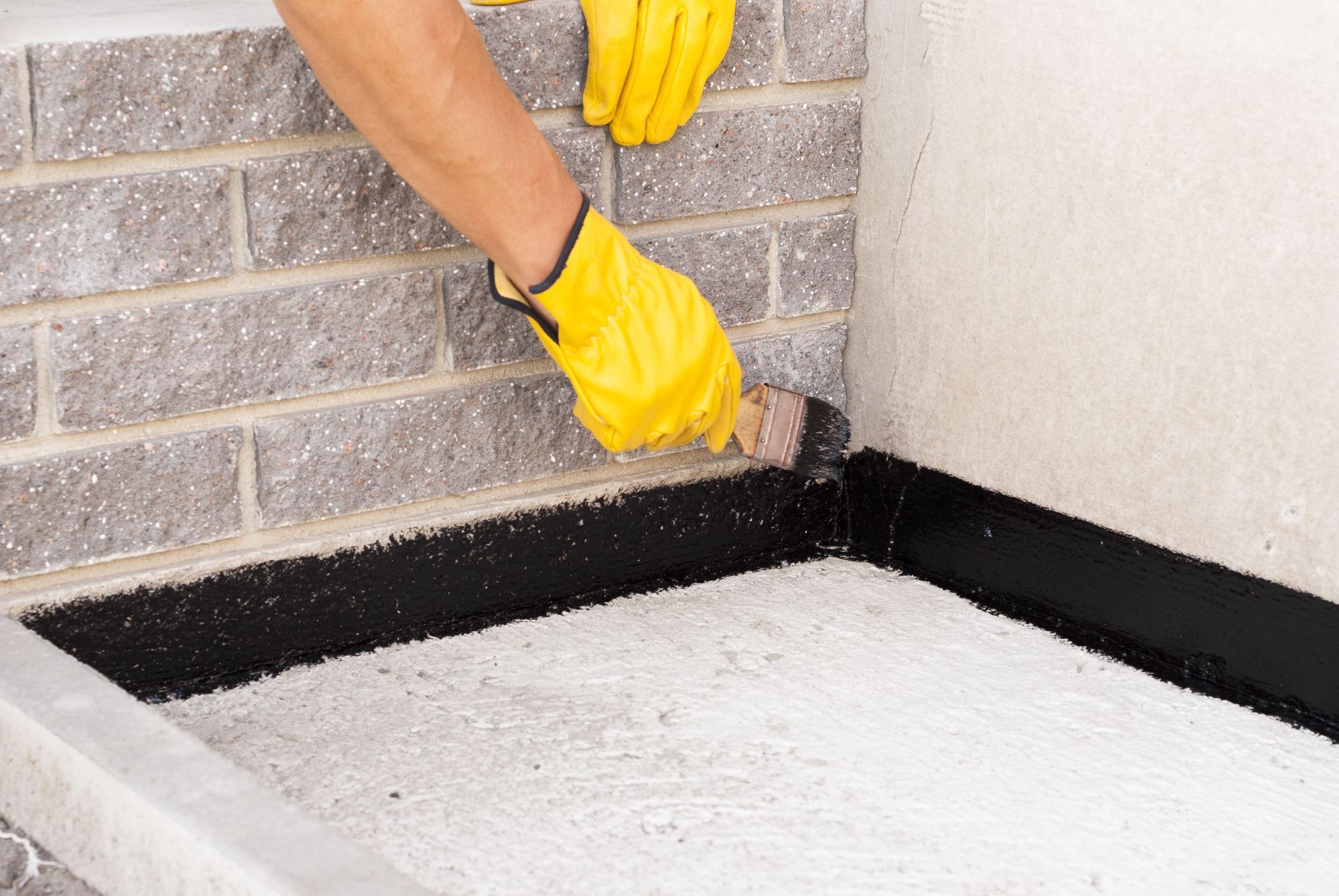
Sealants are a popular solution for waterproofing basements from the inside. These are typically applied to the interior faces of the walls and floors. Sealants are especially effective in blocking minor penetrations of moisture through cracks or porous material. Silicone or polyurethane-based sealants are commonly used to seal joints and small cracks, providing a moisture barrier that is both cost-effective and long-lasting.

Epoxy Injections

For more significant cracks, epoxy injections are a reliable method. Epoxy is a stronger compound that not only seals but also structurally bonds the cracks in the concrete. This method is ideal for ensuring that the cracks do not widen over time, offering a durable solution to moisture entry.

Method 2: Interior Drainage Systems

An interior drainage system is designed to handle water that enters through the foundation by channeling it away effectively. This system usually involves installing a perimeter drain inside the basement floor. Water that enters the basement is collected and directed to a sump pump, which then expels the water away from the building’s foundation.

Installation

Proper installation of an interior drainage system is crucial. It often involves cutting a channel around the perimeter of the basement floor, laying down perforated pipes, and covering them with gravel before re-cementing the floor. This setup ensures that any water entering the basement is quickly removed, thus maintaining a dry environment.

Method 3: Exterior Waterproofing

Exterior waterproofing is considered one of the most thorough methods of protecting a basement from water. This method involves excavating the soil around the foundation walls , applying a waterproof coating or membrane to the exterior walls, and installing drainage solutions such as French drains to redirect water away from the foundation.

Benefits and Considerations

While exterior waterproofing is often more expensive and labor-intensive than other methods, it provides a high level of protection against water. By addressing water intrusion from the outside, it helps maintain the structural integrity of the foundation walls and prevents any moisture from entering the basement.

In Summary

Choosing the best way to waterproof a basement depends largely on the specific conditions of your home and the extent of moisture issues. For minor dampness, sealants and epoxy injections might be sufficient. For ongoing water issues, an interior drainage system could offer a more comprehensive solution.

If you are dealing with considerable moisture intrusion, exterior waterproofing might be necessary. To determine which method suits your home best, consulting with waterproofing professionals is recommended. If you have questions or need further guidance, feel free to contact us.

By Chris Windler January 13, 2026
Foundation settling is one of the most common structural issues in Midwest homes. It develops as soil beneath the foundation expands, contracts, or compresses under pressure. Our work focuses on diagnosing these movements accurately and applying foundation settling repair solutions that restore proper support.  What Is Foundation Settling (and When It Becomes a Problem) Foundation […] The post A Guide to Foundation Settling Repair appeared first on Windler Foundation Repair Systems.
By Chris Windler January 6, 2026
Basement wall repair becomes necessary when cracks, bowing, or leaning walls appear under pressure from soil movement or excess moisture. These problems don’t fix themselves and often worsen as Kansas and Missouri’s clay soil expands and contracts throughout the year. When this pressure builds, many homeowners try quick fixes that don’t last. Wrong repair methods […] The post Basement Wall Repair: What Works & What Doesn’t appeared first on Windler Foundation Repair Systems.
By Chris Windler December 9, 2025
A wall crack is often the first visible sign that your home’s foundation may be shifting, settling, or under pressure. Small cracks might seem minor, but they can reveal deeper soil or drainage issues. Identifying the cause early helps prevent costly structural repairs and protects your investment. Most Common Types of Foundation Cracks 1. Hairline […] The post Foundation Wall Crack 101: Types, Causes, and Fixes appeared first on Windler Foundation Repair Systems.
Show More →