September 23, 2026
Protecting your home from structural damage requires a proactive approach to moisture control. Ensuring the base of your house stays impervious to water infiltration is a detailed process that demands attention. This guide covers the essential steps to achieve decades of protection with foundation waterproofing, ensuring a secure environment for generations. Recognizing the need for moisture management helps owners prioritize preventative measures that safeguard their property. Without adequate protection, houses remain vulnerable to potential problems, making this an essential consideration for properties of any age.
Understanding Damage and Causes
Water infiltration at the base of your home leads to costly structural issues and health risks from mold. The usual culprits include improper grading, heavy rainfall, and faulty gutters that direct moisture toward the house. When soil saturation increases, hydrostatic pressure pushes water through porous concrete. Recognizing these common causes helps homeowners take preemptive action to prevent structural decline. Effective foundation waterproofing involves protective measures designed to stop this seepage. These techniques often include applying moisture barriers, installing interior basement drainage systems, and using high-grade sealants.
Different solutions apply depending on the specific needs of the property and the severity of the moisture exposure. Options range from interior sealants to comprehensive sump pump setups that manage water intrusion. Choosing the right method requires an assessment to determine the most effective approach for a specific structure. Engaging with professionals becomes necessary when dealing with extensive damage, severe structural shifts, or when installing advanced drainage channels. Professionals have access to specialized tools and materials that provide permanent relief compared to standard home remedies. Assessing the required work guides the decision-making process for stability.
Assessing Conditions and Cracks
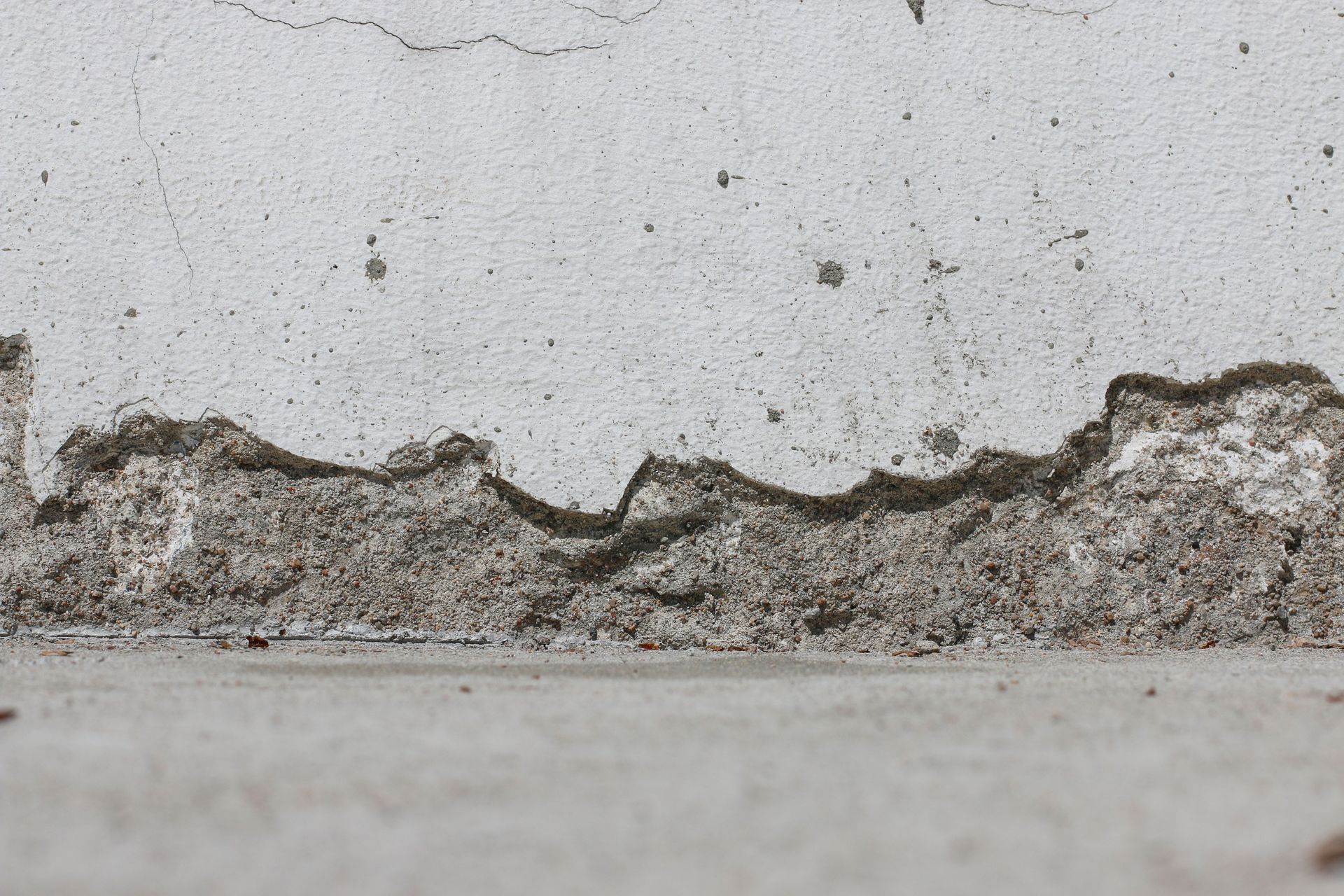
A visual inspection is the first step in evaluating the structural integrity of your home before implementing any protective measures. Property owners should look for visible signs of distress like concrete chips, wall discoloration, or bowing walls, which point to moisture infiltration. Detecting damp walls, musty odors, or visible mildew inside unfinished basements is critical for early intervention. These clear indicators suggest that water is penetrating the structure and that serious intervention is necessary to prevent decay. Structural wall cracks are another red flag pointing to significant soil shifting and relentless hydrostatic pressure.
Not all concrete fissures are an immediate cause for alarm, but distinguishing between minor soil settlement and severe structural compromise is vital. Consulting a structural specialist offers valuable insights, as trained experts assess the severity of damage and recommend tailored solutions like heavy-duty I-beams or steel tiebacks. After a thorough assessment, proper preparation becomes critical to the success of any subsequent repair work. This preparation includes cleaning concrete surfaces, sealing minor gaps with epoxy, and ensuring appropriate exterior grading. Creating a pristine surface allows foundation waterproofing materials to adhere securely for lasting effectiveness.
Selecting Systems and Solutions
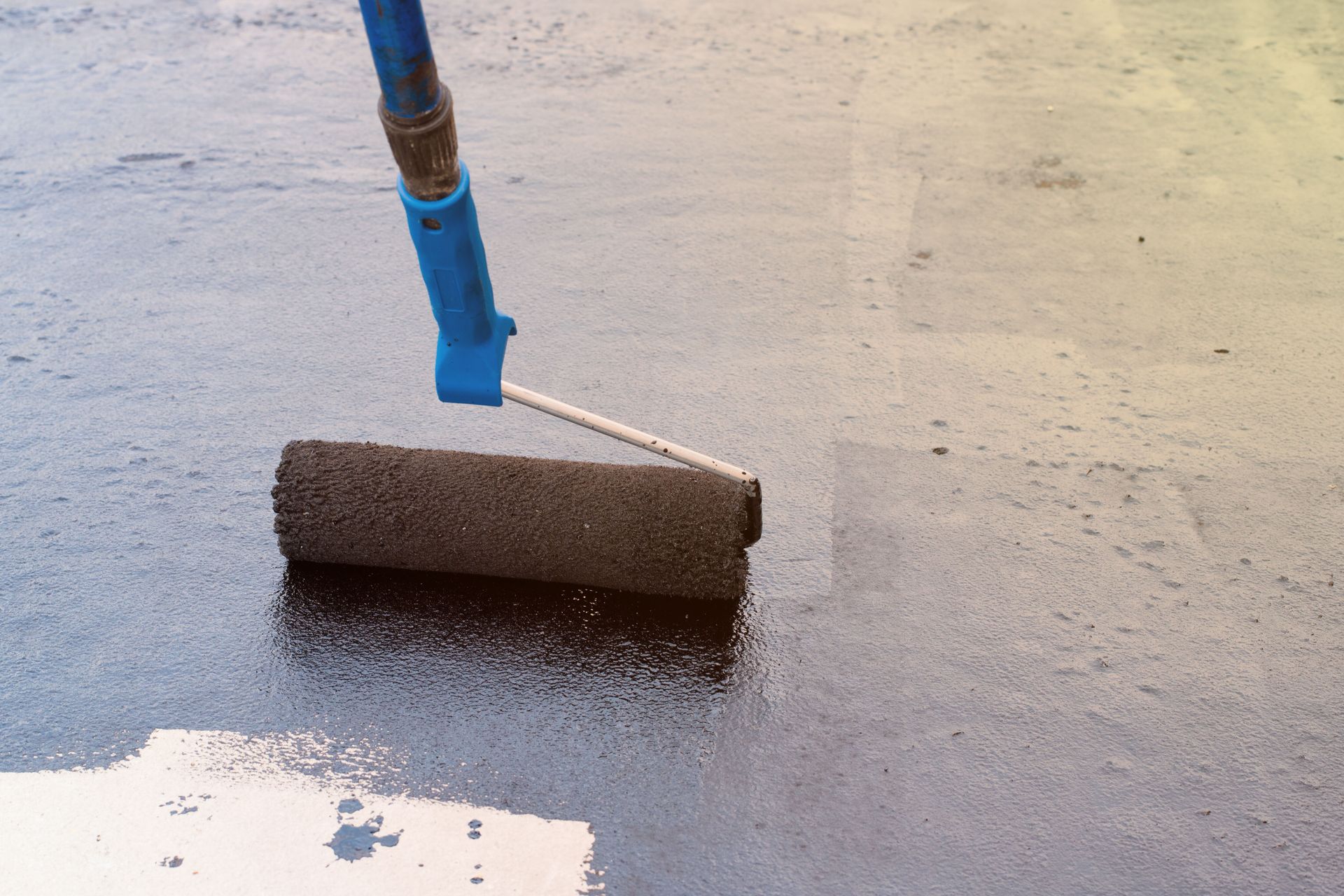
Choosing the correct moisture management approach depends on the specific problems and the natural environment surrounding your property. Interior moisture control focuses on managing water that has already penetrated the concrete blocks, utilizing heavy-duty sealants and interior basement drainage systems. Membrane setups provide an effective defensive line against water intrusion, offering distinct advantages based on the chosen application technique. High-quality liquid barriers apply as a thick exterior coating that forms a seamless layer as it cures. Reliable sealants and protective epoxies play a vital role in preserving structural integrity by sealing crevices against liquid ingress.
Effective water routing mechanisms are essential components in any mitigation strategy, helping to redirect accumulated liquid away from vulnerable lower levels. Strategic setups often include customized interior floor channels and reliable sump pumps that target specific water flow challenges within your basement. Sump pumps handle interior water issues by removing moisture that breaches the concrete walls. Property owners who invest in premium moisture management can expect durable results; in fact, lasting defense from quality basement moisture control solutions spans upwards of 10 to 30 years, according to HomeGuide. Tailoring your approach ensures your foundation waterproofing strategy remains effective.
Implementing Barriers and Repairs
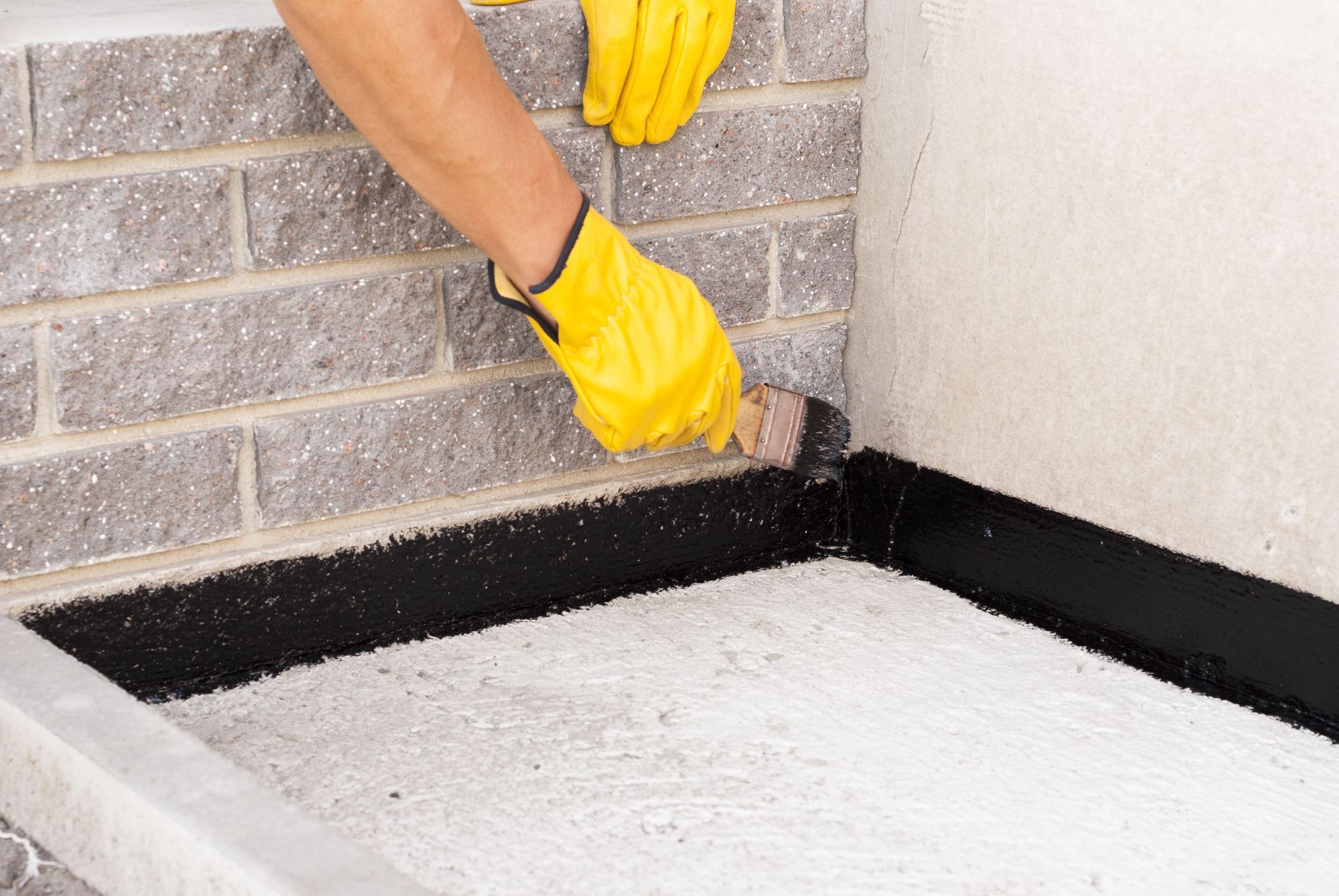
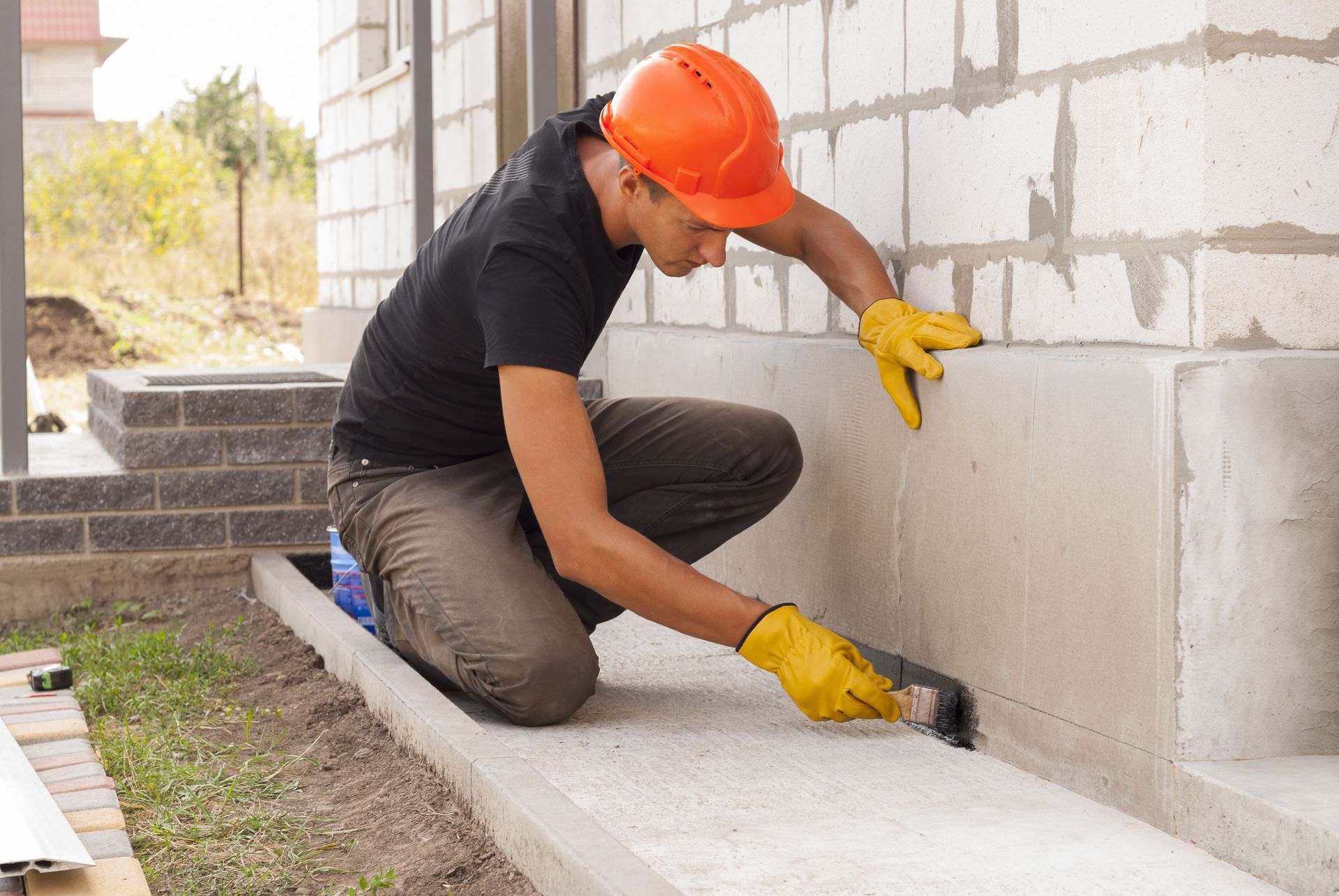
Preparing the residential job site involves critical steps to ensure the successful application of the selected structural support and drainage systems. Initially, repair crews must clear away scattered debris and create a clean working area around the affected concrete walls. Comprehensive site preparation dictates the longevity and overall effectiveness of the applied protective solutions. The application of these advanced defensive layers is a central step in creating a durable barrier against continuous moisture intrusion. High-grade materials apply to the cleaned concrete surfaces following strict manufacturer guidelines for optimal coverage and proper curing times.
An effective epoxy sealant application addresses minor concrete fissures and provides an essential secondary layer of water resistance. Trained technicians apply these specialized compounds in areas prone to constant water exposure, ensuring seamless coverage across the entire surface. Consistent application methods based on precise material instructions increase the longevity of the structural sealant. Following the installation of these moisture barriers, workers often install steel piering or heavy-duty wall anchors to stabilize basement walls affected by severe soil settling. Proper installation of interior drainage systems and heavy-duty sump pumps mitigates standing water risks. Thorough implementation enhances your foundation waterproofing defense.
Maintaining Drains and Components
Regular inspections are key components in the ongoing upkeep of any residential moisture control setup. By conducting systematic visual checks, diligent property owners can identify minor mechanical issues and rectify them before they result in extensive structural decline. Scheduled home maintenance includes verifying proper drainage functionality, inspecting exposed concrete walls for rapid wear, and ensuring that all applied sealants remain intact. Seasonal evaluations before adverse weather conditions arrive are beneficial in preparing the structure for potential heavy rain exposure. Consistent evaluations uphold the strong protective status of your home across many changing seasons and decades.
Maintenance of interior drainage channels is essential to ensure continuous operation and reliable effectiveness during severe storms. Elements like interior floor drains and heavy-duty sump pumps require occasional cleaning and inspection for obstructions that could impede steady water flow. Regular maintenance includes testing the sump pump float switch to confirm the unit activates correctly under pressure. Addressing any mechanical issues prevents water backup around the lower levels, maintaining optimal structural safety. Removing fallen leaves and trimming deep-rooted vegetation prevents exterior drainage clogs and ensures proper water runoff. Proactive foundation waterproofing maintenance guarantees long-term stability and a dry living space.
Reviewing Benefits and Outcomes
Professional moisture management comes with several factors that property owners should consider when planning their home improvement projects. Influencing these elements are the size of the home, the severity of the existing moisture damage, and the specific repair methods chosen for the job. While the initial investment is a serious consideration, utilizing premium materials and skilled labor ensures effective and lasting resolutions. The financial benefits of preventing severe water damage are considerable, providing massive long-term savings over repeated costly repairs. Effective foundation waterproofing measures reduce the risks of total structural failure and hazardous mold infestations.
Customer success stories exemplify the true efficacy of professional repair services in providing a secure, durable, and comfortable home environment. Homeowners report transformational improvements in their lower levels, enjoying dry living spaces after a reliable installation. Testimonials often detail the profound peace of mind experienced from knowing that severe risks of water damage are mitigated. A solid and well-protected lower level increases your overall property value and market appeal for future buyers. Securing your home against constant soil pressure and moisture intrusion transforms a vulnerable property into a permanent safe haven. Choosing the right experts for your foundation waterproofing project ensures your property receives the highest standard of care.
Investing in comprehensive moisture control ensures long-term protection and genuine peace of mind for your entire household. With the appropriate approach, a clear understanding of your repair options, and consistent seasonal maintenance, your home can remain strong and resilient for decades. The undeniable benefits of a solid, dry lower level are profound, guarding your property against unpredictable weather patterns and shifting soil conditions. By safeguarding your living space, you preserve the structural integrity and financial value of your biggest investment. If you notice signs of moisture damage, reach out to us at Windler Foundation Repair™ to secure your home with lasting solutions today.