January 6, 2026
Basement wall repair becomes necessary when cracks, bowing, or leaning walls appear under pressure from soil movement or excess moisture. These problems don’t fix themselves and often worsen as Kansas and Missouri’s clay soil expands and contracts throughout the year.
When this pressure builds, many homeowners try quick fixes that don’t last. Wrong repair methods often treat symptoms instead of causes. This approach leaves the underlying soil and structural pressure unresolved, allowing the wall to continue moving and the damage to spread over time.
Why Basement Walls Crack and Repairs Fail
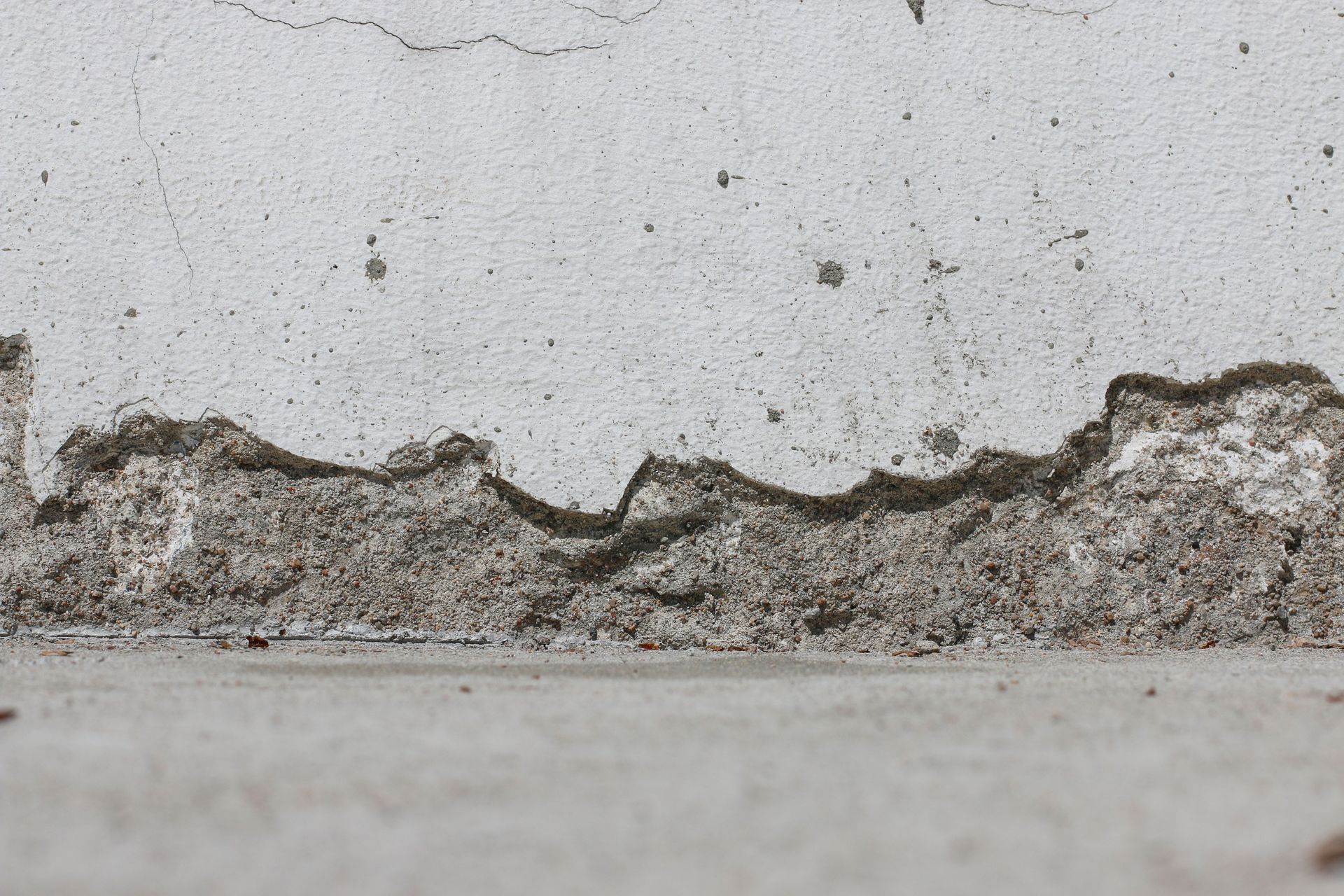
Many homeowners first notice a crack or small leak and assume a quick patch will solve the problem. Unfortunately, most early fixes fail because they don’t address what’s actually happening behind the wall. Cracks appear when constant soil pressure, water buildup, or ground movement pushes against the foundation. Over time, this pressure forces walls to bow, lean, or separate at corners.
The most common underlying causes include:
- Expansive clay soil that swells when wet and contracts when dry, stressing the concrete repeatedly.
- Hydrostatic pressure from poor grading, short downspouts, or inadequate drainage.
- Seasonal freeze-thaw cycles that shift and lift the ground around the foundation.
- Foundation settlement or sinking footings caused by unstable or eroded soil.
- Aging materials that weaken and lose resistance to lateral pressure.
At the same time, many attempted repairs make things worse. Homeowners often patch cracks with hydraulic cement or epoxy kits, which only seal the surface. Without stabilizing the structure or managing water, those cracks reopen within months. Ignoring drainage problems or continuing to let water collect near the home allows the same damage to repeat.
Pro Tip: Effective basement wall repair starts with a full inspection. The real goal is not to hide cracks but to stop the movement and relieve pressure before the structure shifts further.
Basement Wall Repair Methods That Actually Work
Windler Foundation Repair™ focuses on methods proven to restore strength and prevent future damage.
Tie-Backs and Steel I-Beams
When basement walls start to bow or lean, we install tie-backs or steel I-beams to stabilize and realign them. These systems anchor the wall against soil pressure and restore structural integrity without major excavation. They’re ideal for homes with significant horizontal cracking or movement.
Piering and Foundation Stabilization
If the problem is settlement, we use steel or helical piers to support and lift the foundation back to its original level. Piering transfers the load from unstable soil to deeper, stable layers below. This prevents further sinking and stops cracks from spreading vertically or diagonally.
Concrete Leveling (Polyjacking)
Interior floor cracks often result from uneven settlement. Our polyjacking process fills voids beneath the concrete and raises it back to level. This reduces stress on adjoining walls and prevents future cracking inside the basement.
Key Takeaway: True basement wall repair requires stabilizing the structure, not just sealing the surface. The right system depends on the direction, width, and pattern of the cracks.
Need expert help with basement wall repair? Contact Windler Foundation Repair™ for a free inspection and custom repair plan tailored to your home’s needs.
“Repairs” That Don’t Work (and Why They Fail)
DIY Surface Patching or Hydraulic Cement
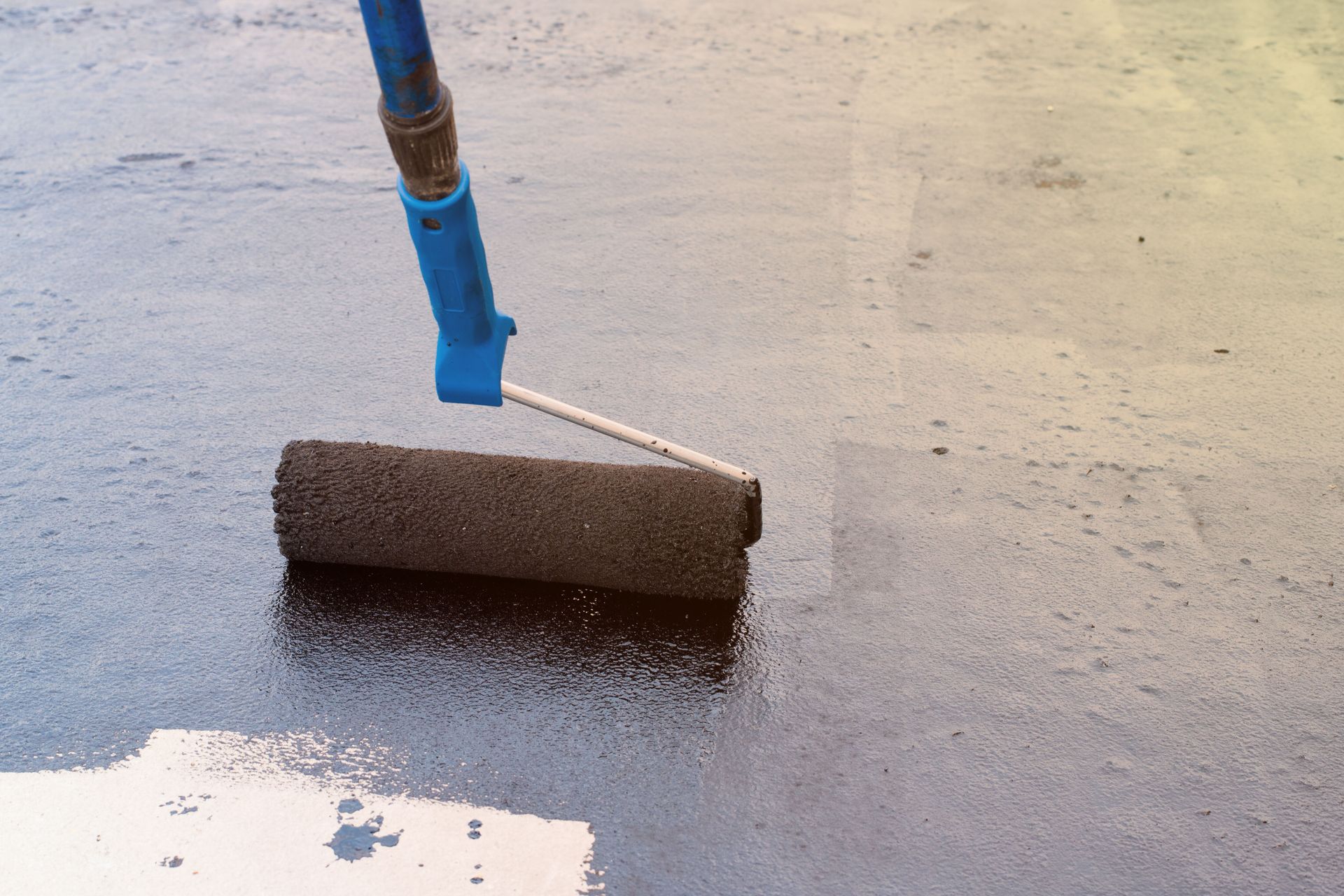
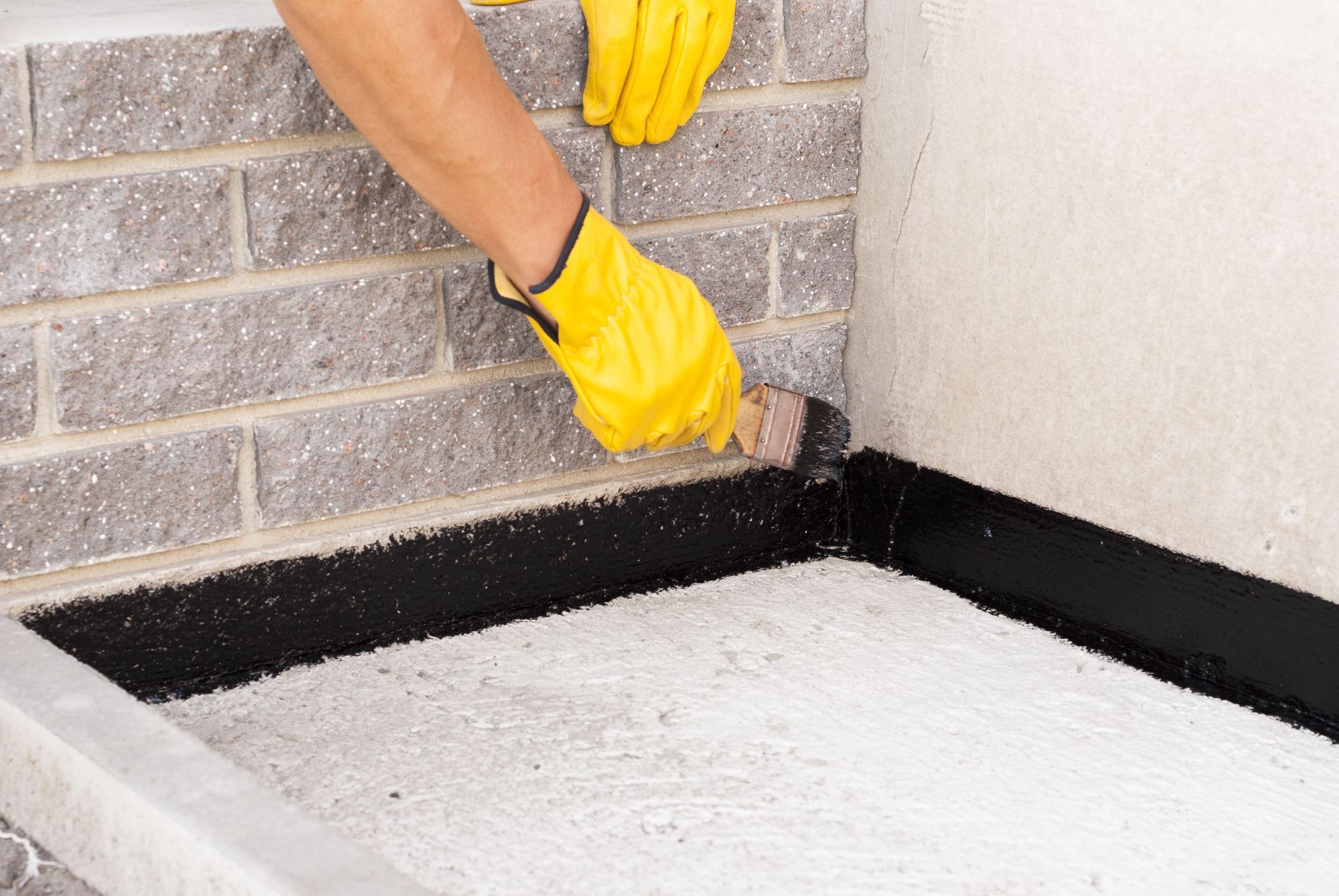
Surface patching is the most common quick fix, but it doesn’t stop wall movement. When the soil outside the wall expands again, the repaired area cracks right back open. What looks sealed from the inside is still under pressure from the outside.
Store-Bought Epoxy Kits
Hardware-store kits may seem simple, but they aren’t structural repairs. Without reinforcement or proper preparation, epoxy only bonds temporarily. Movement or moisture quickly breaks the seal, and the leak or crack returns.
Ignoring Drainage Problems
Even the best structural repair will fail if water continues to pool against the foundation. Proper grading, downspout extensions, and sump pump maintenance keep soil dry and reduce long-term pressure.
Pro Tip: Before you spend money on a repair, check how well your yard drains. Many foundation problems start with poor water control outside the home.
The Right Fix Lasts a Lifetime
Basement wall repair only works when it addresses the root cause of damage. At Windler Foundation Repair™, we use proven systems like steel I-beams, tie-backs, foundation piers, and polyjacking to stabilize walls permanently. Our methods are built for the unique soil conditions in Kansas and Missouri, where movement is common but preventable.
When your walls stay straight, your doors close properly, and your basement stays dry, that’s when you know the repair was done right.
Schedule a free foundation inspection with Windler Foundation Repair™ today. We’ll identify the cause of your wall damage and recommend a lasting solution that protects your home for years.
The post Basement Wall Repair: What Works & What Doesn’t appeared first on Windler Foundation Repair™ Systems.