December 9, 2025
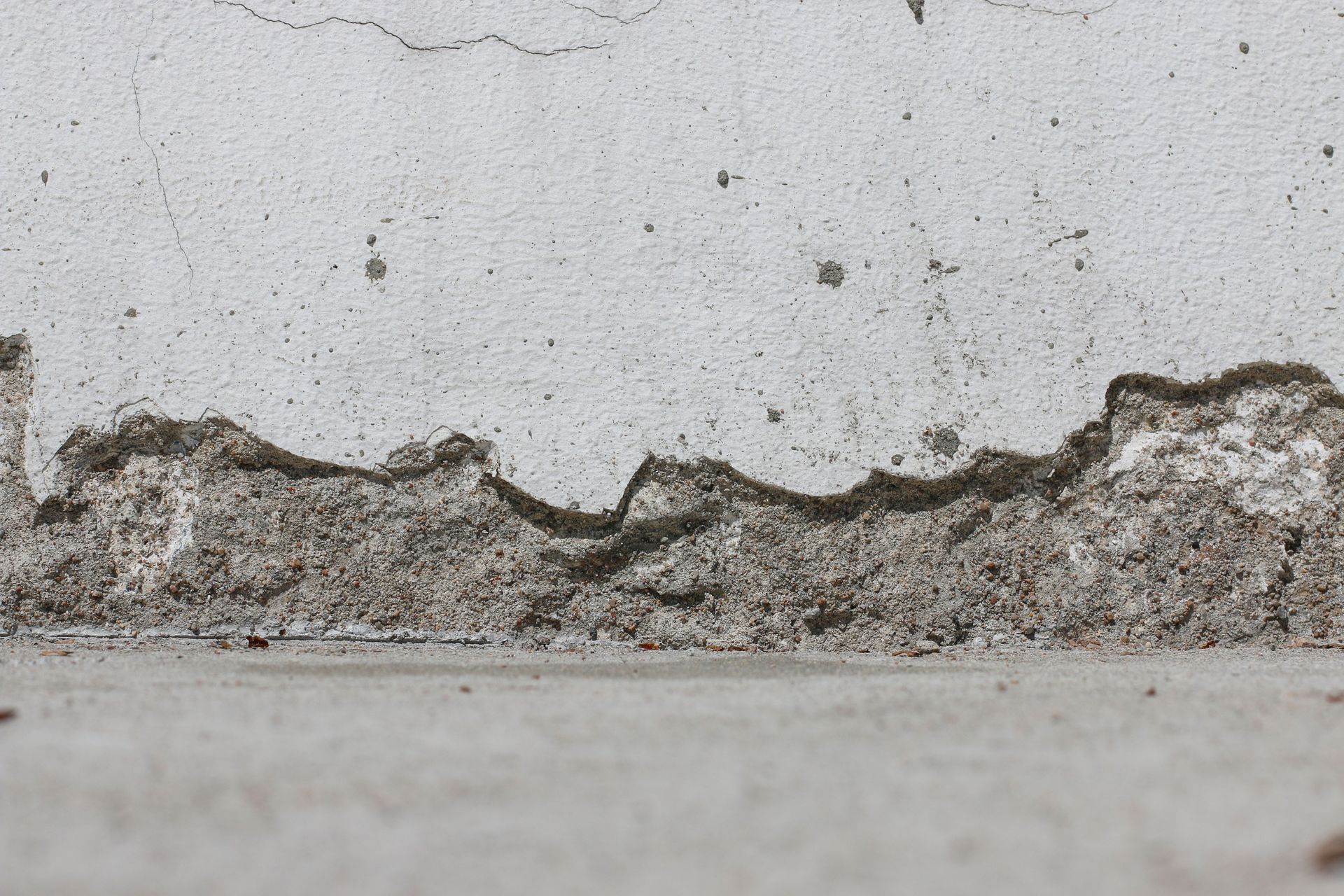
A wall crack is often the first visible sign that your home’s foundation may be shifting, settling, or under pressure. Small cracks might seem minor, but they can reveal deeper soil or drainage issues. Identifying the cause early helps prevent costly structural repairs and protects your investment.
Most Common Types of Foundation Cracks
1. Hairline Shrinkage Cracks
These narrow lines form as concrete cures and dry. They’re usually harmless but should be sealed to keep moisture out.
2. Vertical Settlement Cracks
These cracks often occur when one section of the foundation settles more than another. Narrow vertical cracks can be cosmetic, but wider ones may indicate structural movement.
3. Diagonal or Step-Cracks
Diagonal or stair-step cracks along block walls show that one side of the foundation is shifting downward. They often develop near corners or windows.
4. Horizontal Pressure Cracks
These are the most serious types of wall cracks. They signal that soil pressure is pushing inward against basement walls, leading to bowing or bulging if not repaired quickly.
5. Cracks with Moisture Staining
White powdery residue (efflorescence) or damp spots along cracks indicate water intrusion, which accelerates wall deterioration.
What Causes Foundation Cracks
Expansive Clay Soil Movement
The clay-heavy soils common in this region expand when wet and shrink when dry, creating constant pressure on your foundation walls.
Hydrostatic Pressure and Drainage Issues
Poor grading, short downspouts, or clogged gutters allow water to pool near your foundation. The resulting pressure often causes horizontal cracking.
Frost Heave and Seasonal Shifts
Repeated freezing and thawing cycles make the ground expand and contract, stressing foundation walls over time.
Poor Construction or Aging Materials
Improper backfill, thin concrete pours, or missing reinforcement steel make walls more vulnerable as they age.
Pro Tip: Address surface drainage first. Extending downspouts and grading soil away from your home reduces foundation stress year-round.
Signs the Crack is a Structural Problem
Some wall cracks are only cosmetic, but certain patterns and symptoms indicate more serious foundation movement. These warning signs often mean the structure is shifting, bowing, or allowing water to enter through compromised areas. Watch for the following indicators:
- Bowing or leaning basement walls: Curved or tilting walls show that soil pressure is pushing inward and weakening the structure.
- Uneven floors, stuck doors, or window gaps: When finishes shift or openings no longer align, it’s a sign the foundation has begun to move.
- Water seepage or damp basement odors: Moisture passing through cracks points to drainage issues or hydrostatic pressure against the wall.
- Cracks wider than ⅛ inch or growing: Measure the width regularly. If a crack continues to widen or spread, it requires professional inspection.
How to Evaluate a Crack Safely
Measure Width and Check for Movement
Record the width of each crack. Any crack larger than ⅛ inch or showing uneven sides deserves attention.
Look for Related Structural Changes
Inspect ceilings, trim, and doors for misalignment that supports foundation movement.
When to Document and Monitor
Take photos every few months to track change. Growth or new cracks indicate active stress.
When Professional Inspection Is Needed
Multiple or widening cracks, especially horizontal ones, require immediate evaluation from a structural contractor.
Need expert help with a foundation wall crack? Contact Windler Foundation Repair™ today for a free on-site consultation.
Professional Crack Diagnosis (Our Process)
We perform a full inspection using laser levels, moisture readings, and exterior grading assessments. Our team documents all findings, explains the underlying cause, and provides a written repair plan with cost and timeline. This professional approach ensures every wall crack is treated the first time.
Key Takeaway: Not every crack is dangerous, but every crack deserves proper evaluation to prevent small issues from turning into major repairs.
Foundation Crack Repair Options
At Windler Foundation Repair™, we focus on long-term structural stability, not temporary fixes. Each repair method is carefully selected based on your home’s specific wall crack and the underlying soil or drainage conditions.
Piering (Helical or Steel Piers)
We install deep foundation piers beneath unstable areas to lift and permanently stabilize the structure. This method corrects settlement-related cracks and prevents additional sinking or shifting.
Tiebacks and Steel I-Beams
For bowing or leaning foundation walls, we use structural tiebacks or steel I-beams to resist soil pressure and restore proper alignment. These reinforcements stop inward movement and add long-term wall support.
Concrete Leveling and Polyjacking
When floor cracks or uneven slabs are the problem, our polyfoam injection process fills voids beneath the concrete, raising and leveling it without major excavation. The result is a stable, even surface that prevents new cracks from forming.
When to Call Windler Foundation Repair™
If you notice cracks that widen, allow water in, or cause visible wall movement, it’s time to take action. We’ve helped homeowners across Kansas and Missouri protect their foundations with proven, lasting repairs.
Schedule your free foundation inspection with Windler Foundation Repair™ today. Our local team will identify the cause, recommend the best fix, and restore the structural confidence your home deserves.
The post Foundation Wall Crack 101: Types, Causes, and Fixes appeared first on Windler Foundation Repair™ Systems.