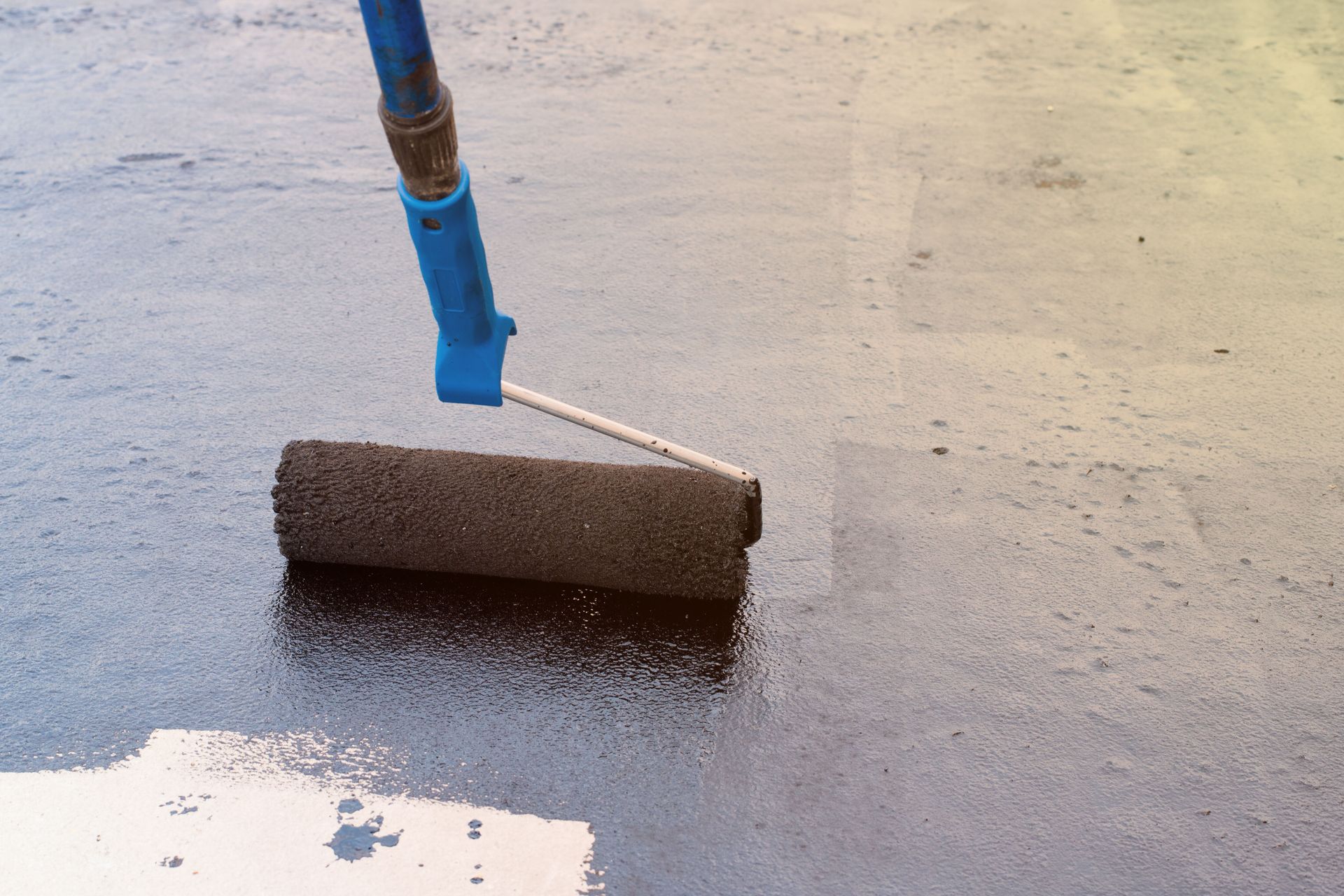

Water showing up on a basement floor is not random. It means pressure is building behind the wall and finding a way in. The fix is an interior basement drainage system.
It uses a small channel inside the edge of the floor to move water to a sump pump and send it outside. Simple, but it works.
Why Basements in Kansas Get Water
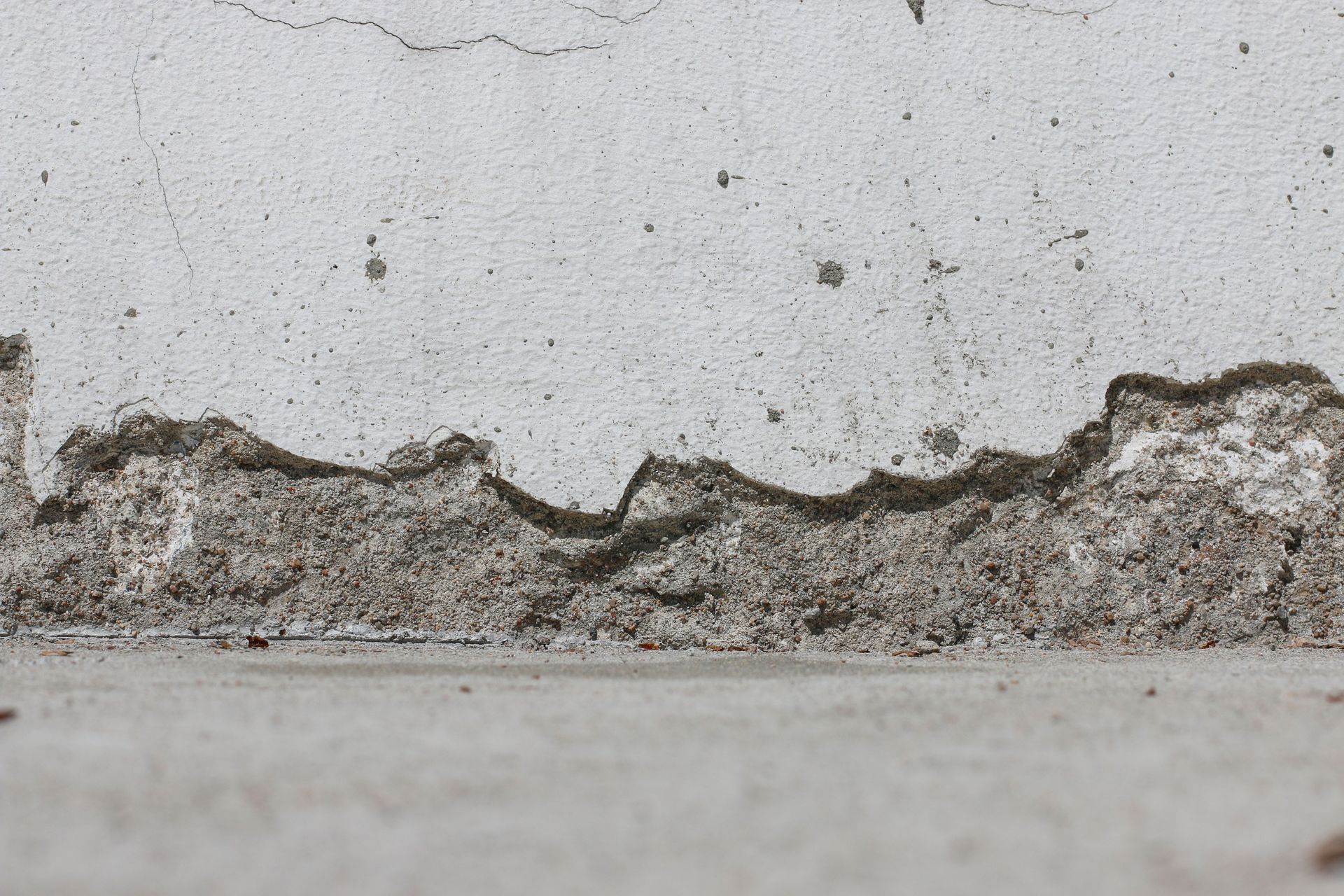
Clay soil holds water, then shrinks when it dries. Heavy rain and freeze cycles push on the basement walls. Water follows the easiest path and shows up inside.
Common signs:
- Damp or white stains on walls
- Hairline cracks that spread
- Puddles near floor edges
Key Takeaway: Early action costs less than cleanup after a flood and helps prevent mold.
What an Interior Basement Drainage System Does
This system collects water at the base of your walls, directs it to a sump basin, and pumps it away from the foundation. It is a clean fix when digging outside is not practical or when you have a finished space.
Main parts needed:
- Perimeter drain or channel at the footing
- Sump basin and pump sized for your home
- Discharge line that sends water well away from the house
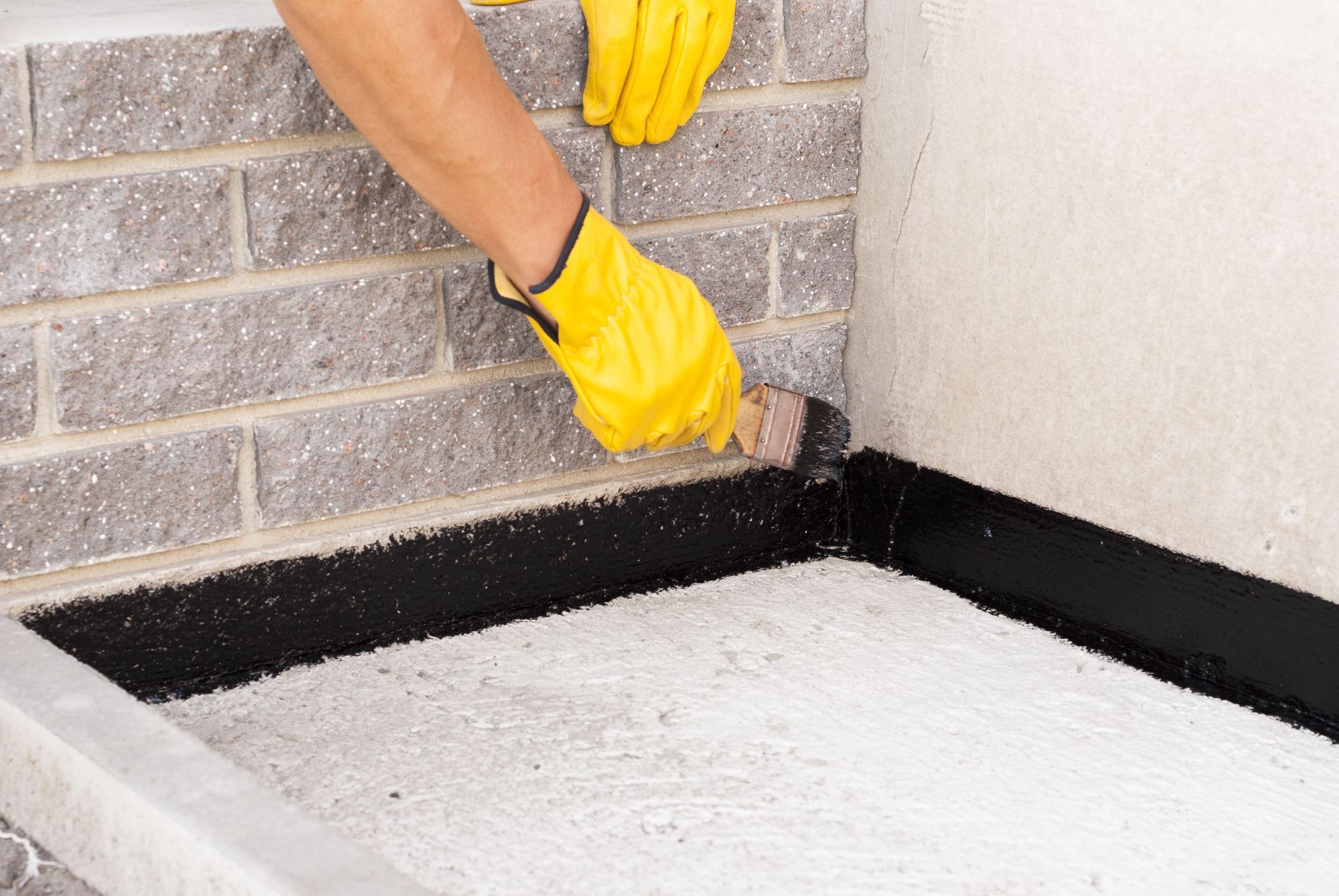
- Wall liner and sealants to guide seepage into the drain
Pro Tip: Pick a pump with a check valve and a battery backup. Storms can cut power right when you need the pump most.
How the System Works Step-by-Step
1. Water Collection
Seepage runs down the wall into the perforated drain at the slab edge.
2. Water Redirection
The drain carries water by gravity to the sump basin.
3. Water Removal
The pump lifts water through a discharge line and releases it outside at a safe grade.
Need expert help with basement drainage? Contact Windler Foundation Repair for a free inspection.
Interior vs Exterior Drainage Options
- Interior: Minimal yard impact, fast install, strong results for finished basements.
- Exterior: Good during new builds or major yard work, but needs excavation and a higher cost.
Key Takeaway: If water is already inside, interior drainage brings quick relief and works well with wall liners and a quality sump pump.
Our Professional Installation Process
1. Inspection and Moisture Mapping
We trace water paths, check walls and slab joints, and size the pump.
2. Concrete Cutting and Trench Prep
We cut a narrow strip along the perimeter and remove the concrete.
3. Drain and Basin Placement
A perforated pipe or channel sits by the footing and slopes to the basin.
4. Liner and Term Bar Seal
A wall liner guides seepage into the drain and is secured with a term bar.
5. Re-pour and Cleanup
We add clean stone, set the pipe, and re-pour the slab flush to the floor.
Pro Tip: Ask where the discharge will exit. The outlet should send water far from the foundation and not to a neighbor’s lot.
Simple Maintenance that Prevents Problems
Test the pump before storm season. Clean the sump basin once a year. Check the discharge line and downspout extensions. If you notice new cracks or a musty smell, call us for a checkup. An interior basement drainage system works best when the pump and outlet stay clear.
When this Solution Makes the Most Sense
Choose an interior basement drainage system for seepage at the cove joint, high water tables, or a finished basement you want to protect. It also pairs well with wall bracing if a wall shows bowing.
Ready to keep your basement dry? Schedule a free inspection with Windler Foundation Repair. We will design the right plan for your home and budget and back it with a strong warranty.