December 2, 2025
A damp basement signals unwanted moisture entering your foundation. Even light condensation or a musty smell points to water intrusion that can weaken concrete and raise humidity levels throughout the home.
We inspect every case based on how and where the moisture forms. Soil saturation, surface runoff, and indoor humidity are often the starting points. Identifying the exact source is what leads to a lasting, effective solution.
Key Warning Signs of Basement Moisture
Recognizing early symptoms helps prevent major structural and air quality problems. Look for:
- Musty odors or damp smells
- Stains on walls or floors
- Condensation on pipes or windows
- Efflorescence (white, powdery residue)
- Mold or mildew growth
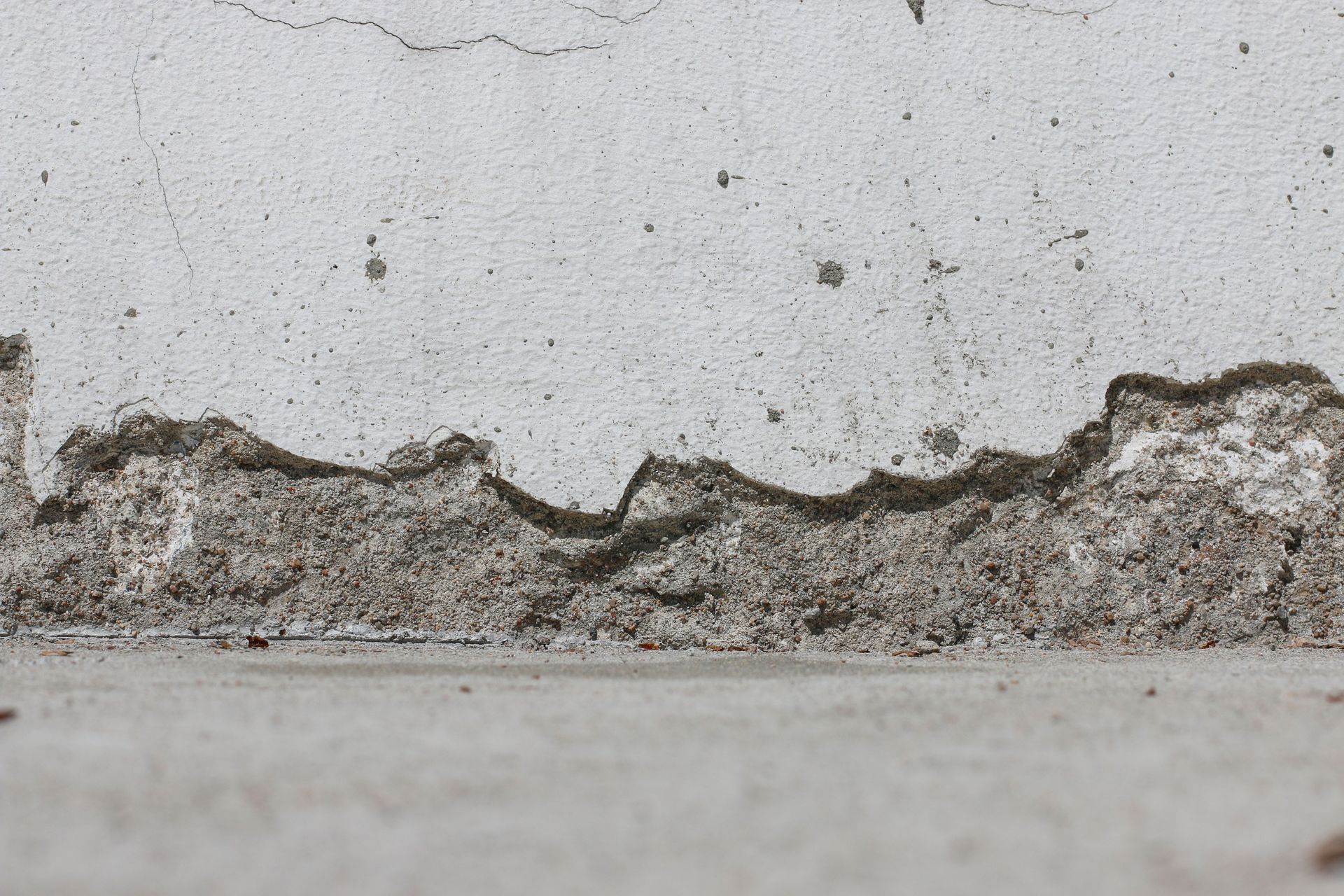
If walls begin cracking or bowing, it could indicate ongoing water pressure against the foundation. These are signs that the issue is no longer just cosmetic.
Pro Tip: Use a hygrometer to track basement humidity levels. Readings above 60% often point to moisture entering from more than one source.
Main Sources of Basement Moisture
Rainwater and Groundwater Around the Foundation
When the soil around your home becomes saturated, hydrostatic pressure pushes water through any weak point. Even minor cracks allow water intrusion.
Poor Grading and Drainage
If the ground slopes toward your house instead of away, rainwater collects at the foundation wall. Over time, this causes seepage and foundation movement.
Leaking or Clogged Gutters and Downspouts
Improperly directed roof runoff keeps the perimeter soil wet for long periods, increasing hydrostatic pressure.
Plumbing Leaks and Interior Moisture
Hidden leaks from water heaters, washing machines, or interior pipes can mimic groundwater seepage.
Humid Outdoor Air Entering the Basement
Warm outdoor air entering through vents or windows condenses when it meets cooler basement surfaces.
How Moisture Moves Through a Foundation
Vapor Diffusion
Water vapor moves naturally through porous materials like concrete, even without visible leaks.
Capillary Movement
Tiny pores in concrete or mortar draw in moisture directly from wet soil.
Air Leakage Through Cracks and Joints
Air gaps allow moisture and musty smells to move between the soil and the living space.
Hydrostatic Pressure
Excess groundwater pushes against the basement walls until water finds an entry point.
Common Causes of Damp Basements
- Failing or undersized drain tile systems
- Missing or broken sump pumps
- Structural cracks in walls or floors
- Improperly installed subfloor ducts or drains
- Window wells without proper gravel or drains
Each of these issues can combine to worsen moisture intrusion, especially in clay-heavy soils common across the Midwest.
Risks of Ignoring Basement Moisture
Ignoring a damp basement can lead to serious damage over time:
- Mold and mildew growth that harms air quality
- Rot and rust affecting framing, HVAC systems, and stored items
- Foundation settlement as wet soil expands and contracts
- Lower property value and failed home inspections
Key Takeaway: Moisture issues don’t stay the same; they expand, deepen, and eventually affect structural integrity.
Need expert help with basement waterproofing or foundation repair? Contact Windler Foundation Repair™ for a free consultation.
Effective Solutions for Basement Moisture
Why Dehumidifiers Alone Don’t Fix the Issue
Dehumidifiers manage air humidity but cannot stop water from entering through cracks or foundation joints.
Why Interior Coatings Only Mask the Problem
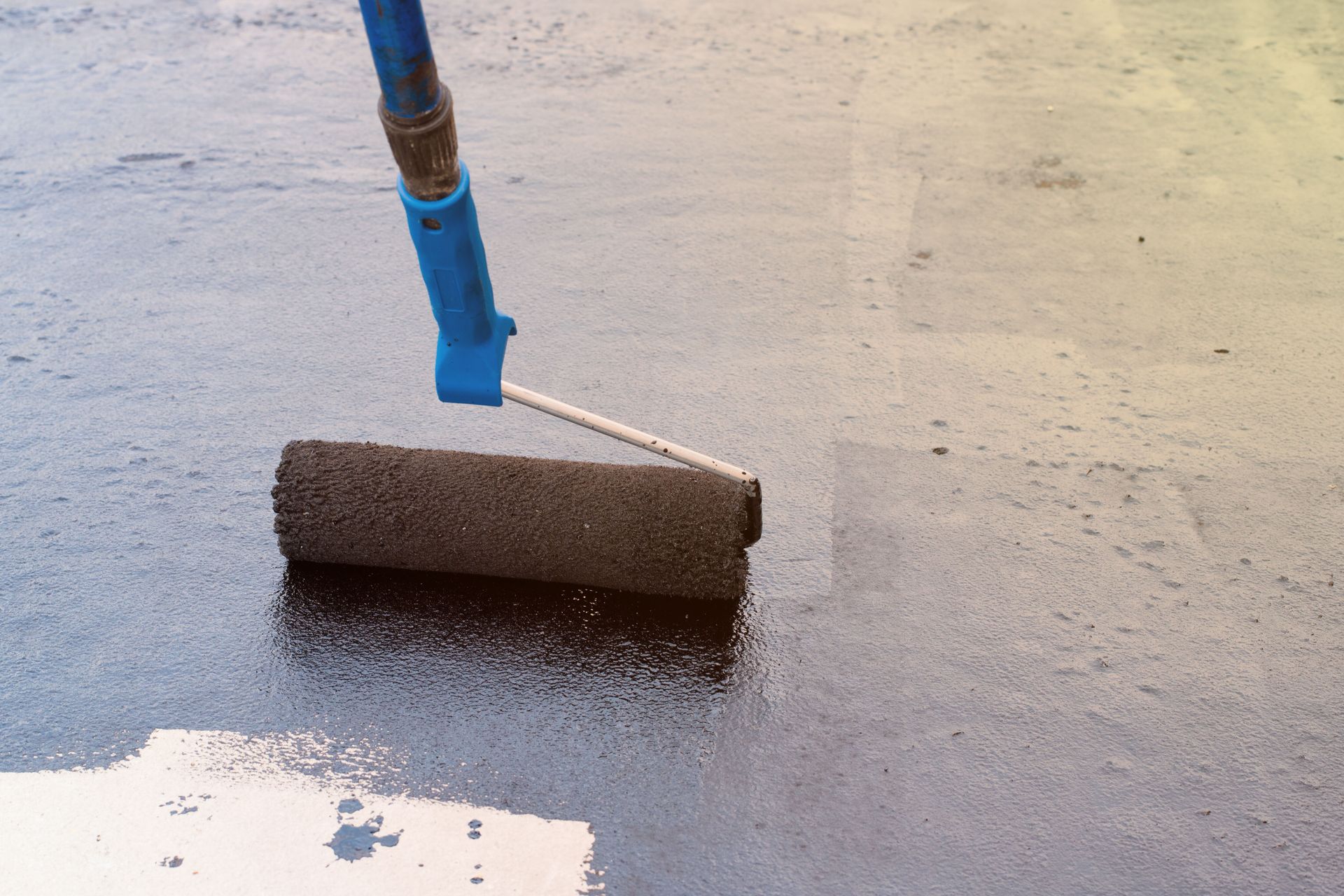
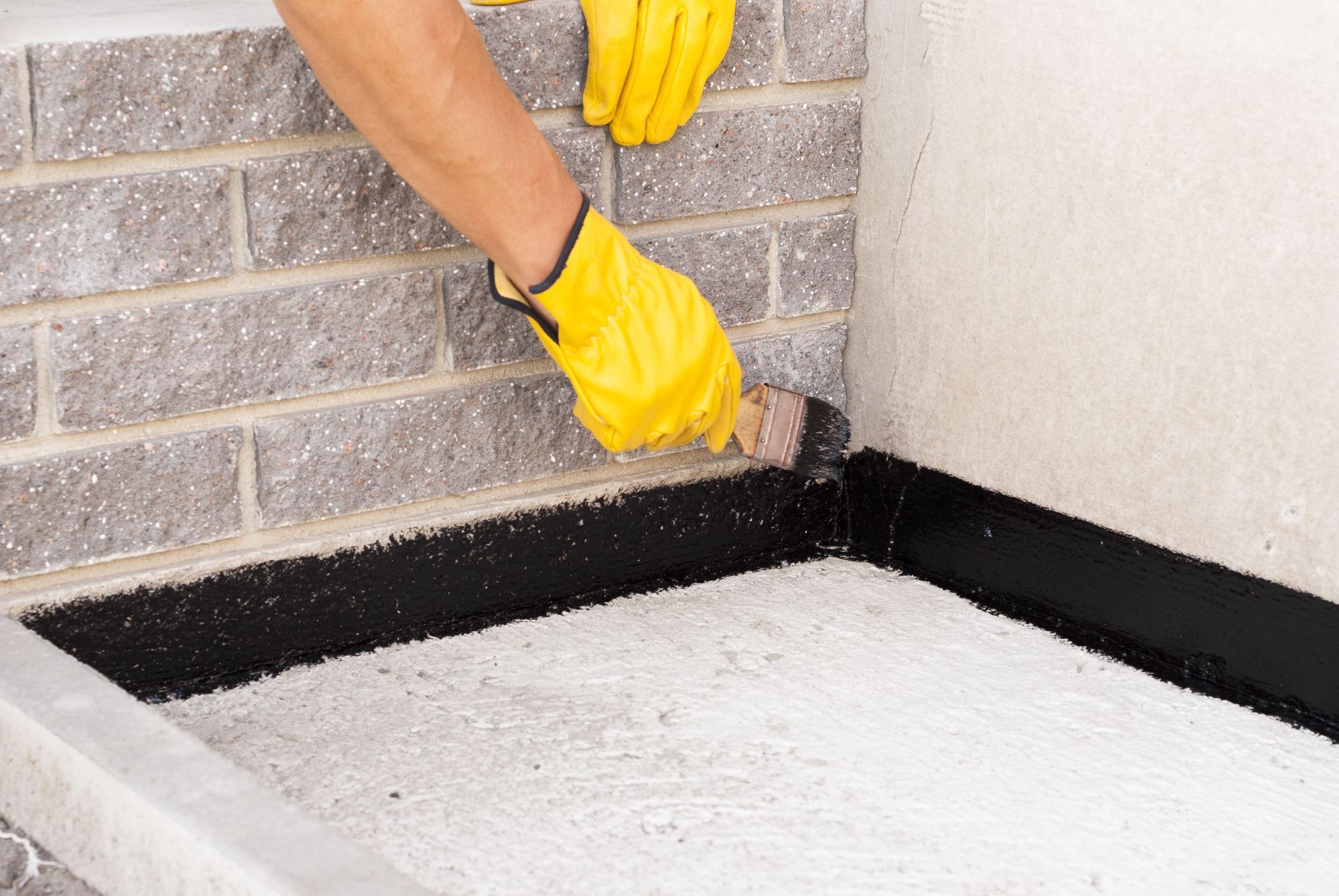
Painted sealants or membranes can peel once exterior pressure builds. They rarely solve water intrusion long-term.
Exterior Drainage Improvements
Regrading soil, extending downspouts, and adding French drains help redirect water away from the foundation.
Drain Tile Repair or Replacement
A properly installed drain tile and sump pump system relieves hydrostatic pressure and channels water safely outside.
Crack Repair and Sealing
Injecting cracks with epoxy or polyurethane prevents further leaks and reinforces the structure.
Sump Pump Upgrades
Reliable pumps with battery backups keep water out during storms or power outages.
Windler’s Proven Repair Process
Inspection and Moisture Source Mapping
We begin every project with a full moisture assessment, identifying all water entry points.
Exterior Water Control
We correct grading, repair gutters, and ensure proper discharge away from the home.
Foundation Repairs and Waterproofing
Our technicians seal cracks, install drain tile systems, and apply advanced waterproofing methods tailored to each home.
Final Moisture Control and Prevention Steps
We recommend humidity control systems and routine maintenance to keep your basement permanently dry.
When to Call a Professional
Contact a foundation expert when you see any of these:
- Persistent wall dampness or odor
- Standing water after storms
- Cracks wider than ⅛ inch
- Sump pump that runs constantly
Our inspections pinpoint the true cause so the repair is targeted, effective, and lasting.
If you suspect a damp basement, don’t wait for the damage to spread. Contact Windler Foundation Repair™ today for a professional inspection and a lasting solution. Our team helps protect your foundation, your air quality, and your peace of mind.
The post Damp Basement: Causes and Solutions appeared first on Windler Foundation Repair™ Systems.