January 7, 2025
When was the last time you inspected your driveway, patio, or sidewalk for signs of damage? Uneven concrete can lead to safety hazards, drainage problems, and even structural issues on your property. Recognizing these problems early can save you time and money on repairs. In this article, we’ll cover the four key signs that your concrete may need leveling, explain the common causes behind these issues, and highlight how fixing them can improve safety and maintain the value of your property.
What are the Signs Your Concrete Needs Leveling?
Concrete leveling, also known as polyjacking, restores sunken or uneven concrete to its original level without replacing it. If you’re wondering whether your property needs this service, watch out for these common indicators:
1. Visible Cracks in the Concrete
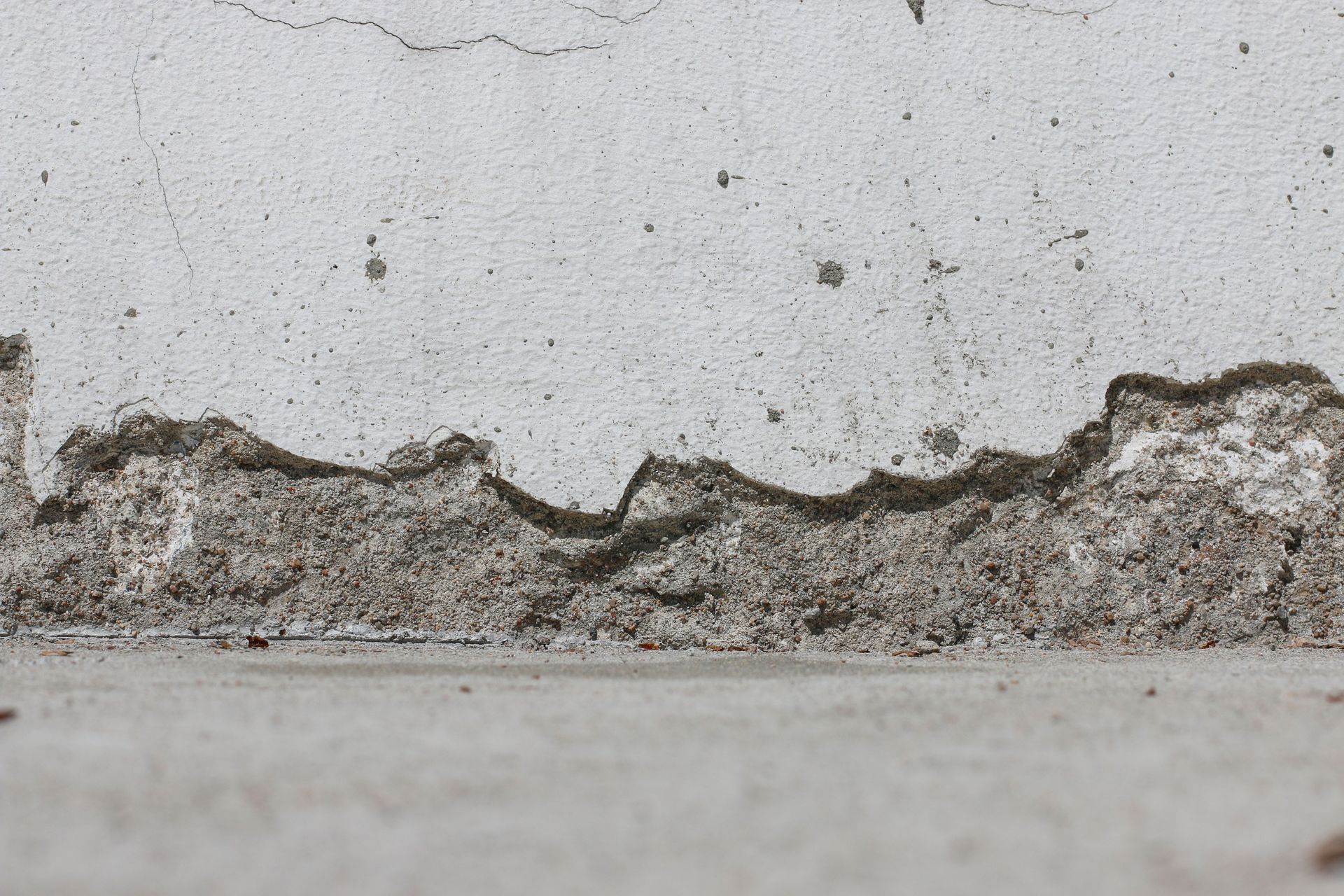
Cracks are one of the most apparent signs that your concrete might be uneven. While small cracks can occur naturally over time, larger or irregular cracks may indicate sinking or shifting beneath the surface. Uneven settling often puts stress on the slab, causing it to split. If you’ve noticed cracks, especially if they worsen, leveling could be the solution you need.
2. Pooling Water After Rain
Does water pool on your driveway, patio, or sidewalk after it rains? Improper drainage is often a result of uneven concrete surfaces. When one section of the slab sinks, it creates low spots where water collects. Over time, this moisture can erode the soil underneath, worsening the sinking. Correcting the concrete’s level will resolve drainage issues and prevent further damage.
3. Uneven Surfaces That Are a Tripping Hazard
An uneven walkway or patio can become a significant safety hazard. If you or someone else has tripped on a raised section of concrete, it’s a clear sign the slab is no longer level. This issue is not only inconvenient but also increases the risk of injuries, especially for children or older adults.
4. Doors or Windows Sticking or Misaligned
It’s not just outdoor areas that can be affected. Inside your home, uneven concrete slabs can lead to misaligned doors and windows, making them difficult to open or close. This problem is a telltale sign of shifting foundations, which often require leveling to stabilize the concrete beneath your home.
What Causes Concrete to Sink or Shift?
Concrete slabs shift or sink for various reasons, including:
- Erosion: Water washes away the soil underneath, creating voids that the concrete sinks into.
- Poor Soil Compaction: If the ground wasn’t properly compacted before pouring the slab, it may settle unevenly over time.
- Heavy Loads: Excess weight, such as parked vehicles or machinery, can put stress on the concrete, causing it to settle.
- Tree Roots: Roots from nearby trees can grow beneath the concrete, lifting or breaking the slab.
Understanding these causes can help you prevent future issues after leveling your concrete.
Why Choose Windler Foundation Repair™?
At Windler Foundation Repair™, we specialize in restoring uneven concrete with polyjacking, a fast, efficient, and durable method of concrete leveling. Polyjacking uses lightweight polyurethane foam, which fills voids, stabilizes the soil, and lifts the slab back into place with precision.
Our team brings years of expertise, attention to detail, and the latest technology to every project. We take pride in delivering long-lasting results, ensuring your concrete stays level for years to come. Whether it’s a sinking driveway, a hazardous sidewalk, or uneven interior floors, Windler Foundation Repair™ can resolve all your concrete leveling needs.
Why Trust Windler Foundation Repair™?
- Experienced Team: Decades of foundation repair expertise.
- Advanced Methods: Polyjacking ensures precision and durability.
- Customer-Focused Service: Your satisfaction is our priority.
In Summary
Uneven concrete is more than an eyesore—it’s a hazard that can lead to costly repairs if ignored. Cracks, pooling water, tripping hazards, and misaligned doors are all signs your concrete needs leveling. Addressing these issues promptly ensures the safety, functionality, and appearance of your property.
When you’re ready to tackle the problem, Windler Foundation Repair™ is here to help. With our advanced polyjacking service, we’ll restore your concrete to its proper level quickly and effectively. Don’t let uneven surfaces disrupt your home or business— contact us today to schedule a consultation.
The post 4 Signs Your Concrete Needs Leveling appeared first on Windler Foundation Repair™ Systems.