October 2, 2025
A small crack or gap may not look serious, but it can signal a growing foundation problem. These early clues help you tell the difference between normal wear and signs of real movement in the structure.
This guide explains the most common warning signs, what usually causes them, and the steps that can protect your home, budget, and long-term value.
Understanding Foundation Issues
What Causes Foundation Issues?
- Shifting soil: Clay swells when wet and shrinks when dry. Cold snaps freeze it, then thawing makes it push on walls and footings. We see this in spring and fall.
- Water with nowhere to go: Short downspouts, clogged gutters, or a yard that slopes to the house let water sit by the wall. Over time, that pressure builds and slips into small gaps.
- Build mistakes: Footings too thin, soft backfill, or not enough steel weaken the base. Then the structure can’t carry the weight the way it should.
- Age and wear: Homes settle as years pass. Mortar cracks and joints open. Small cracks let water in, and the movement slowly grows.
The Importance of Early Detection
Catching a foundation problem early keeps repairs small. A thin crack that does not grow is often not serious. A crack that gets longer or wider shows movement. Taking action right away can stop water leaks, mold growth, and sloping floors. It also helps avoid bigger and more costly repairs in the future.
The Most Common Signs of Foundation Problems
Cracks and Gaps
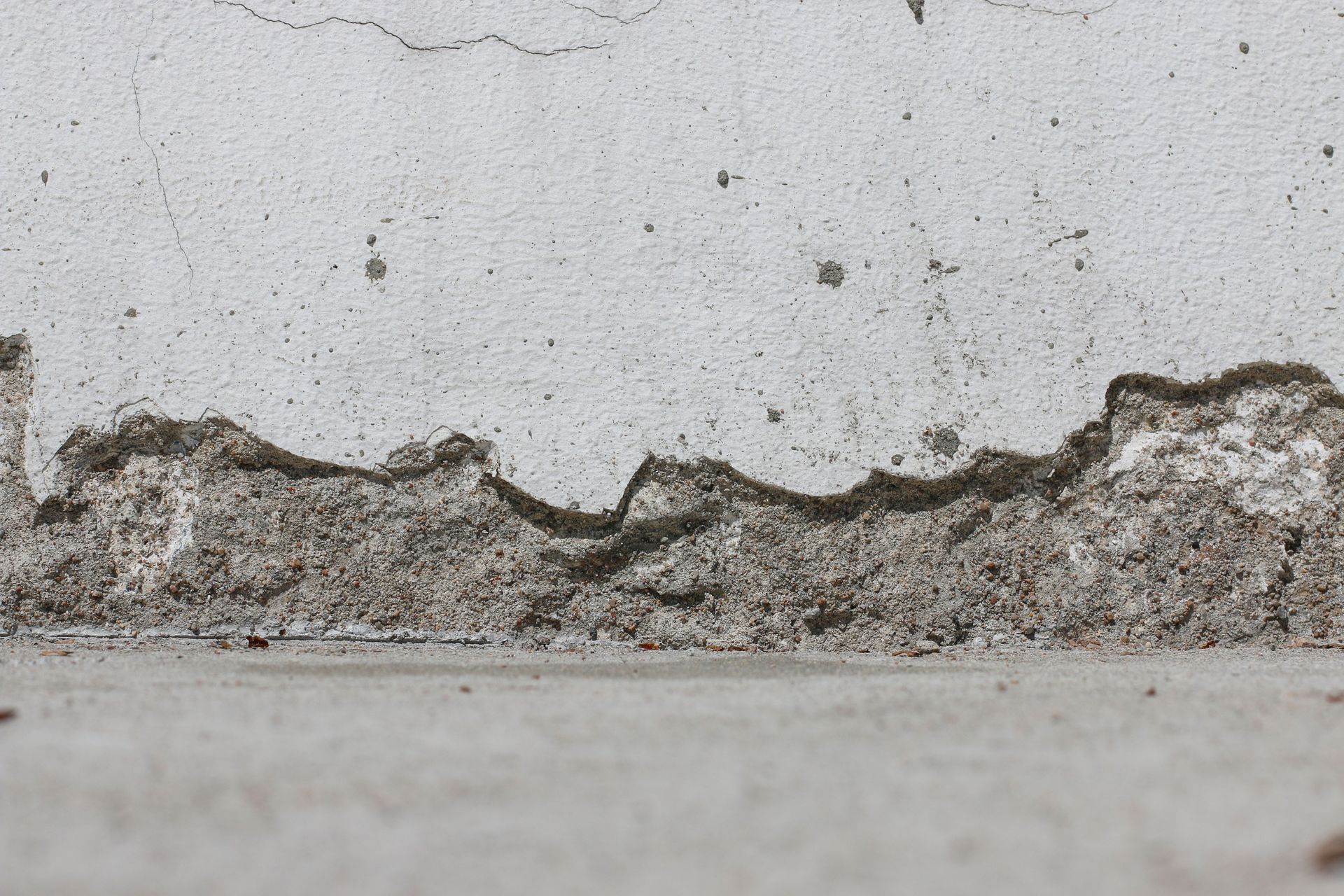
- Exterior wall cracks: Look for stair-step lines in brick or block, long horizontal cracks, or fresh edges.
- Interior wall or ceiling cracks: Cracks from door or window corners deserve close tracking.
- Gaps around windows and doors: Trim pulling away or daylight at corners points to movement.
- Cracked or warped siding: Open lap joints, cupped boards, or buckled panels can reflect shifts below.
- Leaning or cracked chimney: A tilt or gap between the chimney and house often signals settlement at that corner.
Floor and Wall Movement
- Squeaking, sagging, or bouncing floors: Joists or beams may be out of level or losing support.
- Uneven or sloping floors: A marble that rolls on its own is a quick test you can try.
- Bowing or rotating walls: A wall that curves inward or tilts out of plane is a structural concern.
- Nails popping from drywall: Repeated nail pops can mark movement, not only finish issues.
- Walls pulling from ceilings or floors: Watch for shadow lines or open seams along edges.
Doors, Windows, and Moisture
- Sticking doors and windows: Latches that once worked but now bind can signal racking.
- Water intrusion or damp basement: Rust on metal, white mineral stains, or a musty smell show moisture under pressure.
- Drainage problems outside: Puddles near the home, short downspouts, or ground sloping toward the house add risk.
How to Confirm a Foundation Problem
Walk the exterior after a steady rain. Note any new cracks, chips, or wet spots. Inside, check door swings, window locks, floor slopes, and trim gaps. Take photos and simple measurements. Compare after one to two weeks. If cracks grow, doors go from snug to stuck, or water keeps showing up, schedule a professional inspection.
What You Can Do About It
Minor Repairs You Can Handle Yourself
- Improve drainage: Clean gutters. Extend downspouts 10 feet when possible. Regrade the soil so it slopes away from the house.
- Seal small non-structural cracks:
Use concrete caulk or epoxy to keep water out of hairline cracks.
- Dry the space: A dehumidifier in a damp basement or crawl space helps control moisture and odor.
- Simple monitoring: Use painter’s tape and a pencil to date next to a crack. Recheck the width each week.
When To Call In the Experts
Call us if you see horizontal cracks, bowing walls, a leaning chimney, or a crack that keeps widening. Also, call if several foundation problem signs appear at once. Our team measures wall plumb, checks soils, reviews load paths, and designs a repair plan. We install piers to lift and support settled areas. We use tie-backs and I-beams to stabilize walls. When water is the issue, we add drains, sump systems, and vapor barriers to keep moisture under control.
Cost of Professional Foundation Repair
The price of fixing a foundation changes based on the work needed, the soil around your home, how easy it is to reach the area, and if water control is part of the job.
- Lower cost: Crack injection or small stabilization jobs. These take care of minor cracks or light movement and are often the least expensive.
- Mid to higher cost: Wall stabilization. This is used when walls bow or lean. The price depends on how long the wall is and how far it has moved.
- Higher cost: Pier installation. Piers lift and support areas of the home that have settled. This type of repair costs more because it adds new structural support under the house.
- Extra cost with water problems: Interior drain tile, sump pumps, and vapor barriers. These are added when water or moisture adds pressure to the foundation.
We give clear written estimates and explain every option in plain terms. You will know what needs repair right away, what can wait, and how each choice affects the cost and the long-term safety of your home.
Long-Term Consequences of Ignoring Foundation Problems
Structural Integrity Risks
Movement spreads. Small cracks turn into gaps. Floors slope more over time. Repairs grow in size and cost when you wait.
Health and Safety Concerns
Water invites mold and poor air quality. High humidity harms finishes and flooring. In severe cases, framing support can weaken and become unsafe.
How Foundation Problems Affect Resale
Home buyers and inspectors flag structural movement. Lenders may require repairs before closing. A documented fix with a strong warranty protects value and makes the sale smoother.
Why Work With Windler Foundation Repair™
We serve Lawrence, Ottawa, and the wider Northeast Kansas area. Our inspectors explain what we see in plain terms and answer every question. We match methods to your home, soil, and goals. You get straight advice, a written plan, and a crew that shows up on time and cleans up when done.
Our Conclusion
If you notice growing cracks, sticking doors, sloping floors, or repeated water, take the next step. Improve drainage, track changes, and set an inspection. If testing and photos point to a foundation problem, we will confirm the cause, show repair options, and give a fair price. Our goal is to protect your home, control costs, and give you peace of mind.
See any of these signs today. Book your free inspection with Windler Foundation Repair™. We will assess your home and give you a clear, written plan.
The post 13 Signs that Your Foundation has a Problem appeared first on Windler Foundation Repair™ Systems.