November 4, 2025
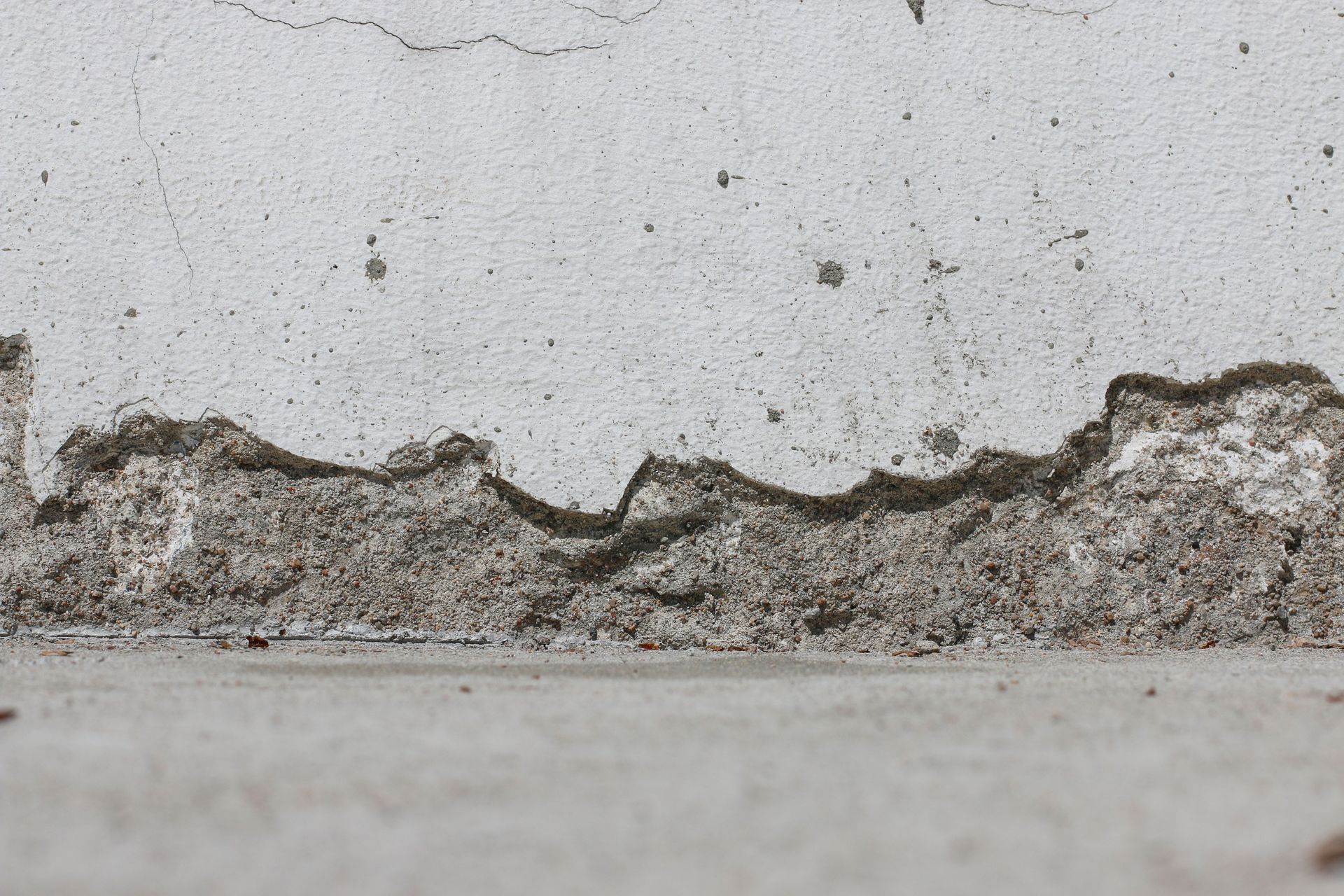
When a foundation starts to sink, small cracks can turn into bigger problems fast. Gaps open at doors and windows, and floors begin to dip or slope. Foundation piering corrects the cause by moving the weight of the home to solid ground below weak soil. It gives long-term stability and stops further movement.
At Windler Foundation Repair™, we match each pier system to your soil and structure type. Every project starts with a clear plan and ends with solid, lasting support.
TL;DR For Homeowners
- Piers move the weight of your home to stable soil or bedrock.
- Typical projects finish in days, not weeks.
- Price depends on pier count, depth, and access.
Key Takeaway: Piers stop the ongoing settlement. Lifting is often possible, but the main goal is stability.
Do I Really Need Piers? A Simple Checklist
- Stair-step cracks in brick or block
- Doors or windows that bind
- Gaps at trim or counters
- Sloped floors or sinking porches
If you check two or more, schedule an inspection.
Pro Tip: Take photos now. If gaps grow over 30 to 60 days, you likely need repair.
Why Foundations Sink In Northeast Kansas
Our area has expansive clay. It swells when it is wet and shrinks when it is dry. Downspouts that dump at the footing and poor grading make this rise and fall stronger. Freeze and thaw also move soil. Over time, footings lose support and the home settles. Fixing water at the source helps the repair last.
What Is Foundation Piering?
Piering moves the load of your home from weak surface soils to deeper, stable layers. Steel piers attach to brackets at the footing. We drive push piers or torque helical piers to proven capacity. Once piers reach design depth, we can lift where structure and finishes allow, then lock off the system.
Pro Tip: A repair plan should include soil and water steps. Proper grading and longer downspouts protect the investment.
What to Expect During Pier Installation
We start by laying out the plan and keeping your property neat. Our crew opens small access pits, installs brackets, advances the piers to strong soil, and verifies capacity. If the structure allows, we lift with care, then lock the system, backfill, and clean up before we leave.
- Mark pier locations and protect nearby plants and walks.
- Dig small access pits to reach the footing.
- Attach steel brackets to the footing.
- Advance push piers by hydraulic force or turn helical piers to target torque.
- Check capacity by load or torque readings.
- Lift to safe targets where possible and secure each pier.
- Backfill, compact, and restore the area.
- Do a final walkthrough, share photos, and review care steps.
Types of Pier Systems We Use
Push Piers
A good choice for heavier homes. We drive steel into a competent bearing and confirm support by push force. This option reaches deep layers and offers strong stability.
Helical Piers
A good choice for lighter loads and additions. Helical plates twist into the soil. Torque readings confirm capacity. The install is quick and has low vibration.
Slab Piers
Used for interior slab settlement under rooms, garages, or sunrooms. We plan access and patching so that finished spaces look neat when we are done.
Need expert help with foundation piering? Contact Windler Foundation Repair™ for a free consultation.
Cost, Timeline, and Warranty
Price depends on pier count, required depth, access limits, and whether work is inside or outside. Small projects often finish in one to three days. Larger projects take more time. We provide a clear scope and a written warranty on materials and labor. We also note the steps that keep coverage valid.
Aftercare That Protects Your Investment
- Extend downspouts 10 feet or more
- Regrade soil to slope away from walls
- Seal hardscape joints and control roots
- Keep a steady moisture level near the foundation
Our Process at Windler
We start with a free inspection and photos. You receive a written plan and a fair price. We schedule, protect the site, install the system, and walk you through the results. You get warranty documents and follow-up support. If foundation piering is right, we do it clean and do it once.
FAQs
How deep do piers go?
To competent bearing soils or bedrock. We verify by load or torque.
Will all cracks close?
Some close during lift. Hairlines may remain, but movement stops.
Does piering fix leaks?
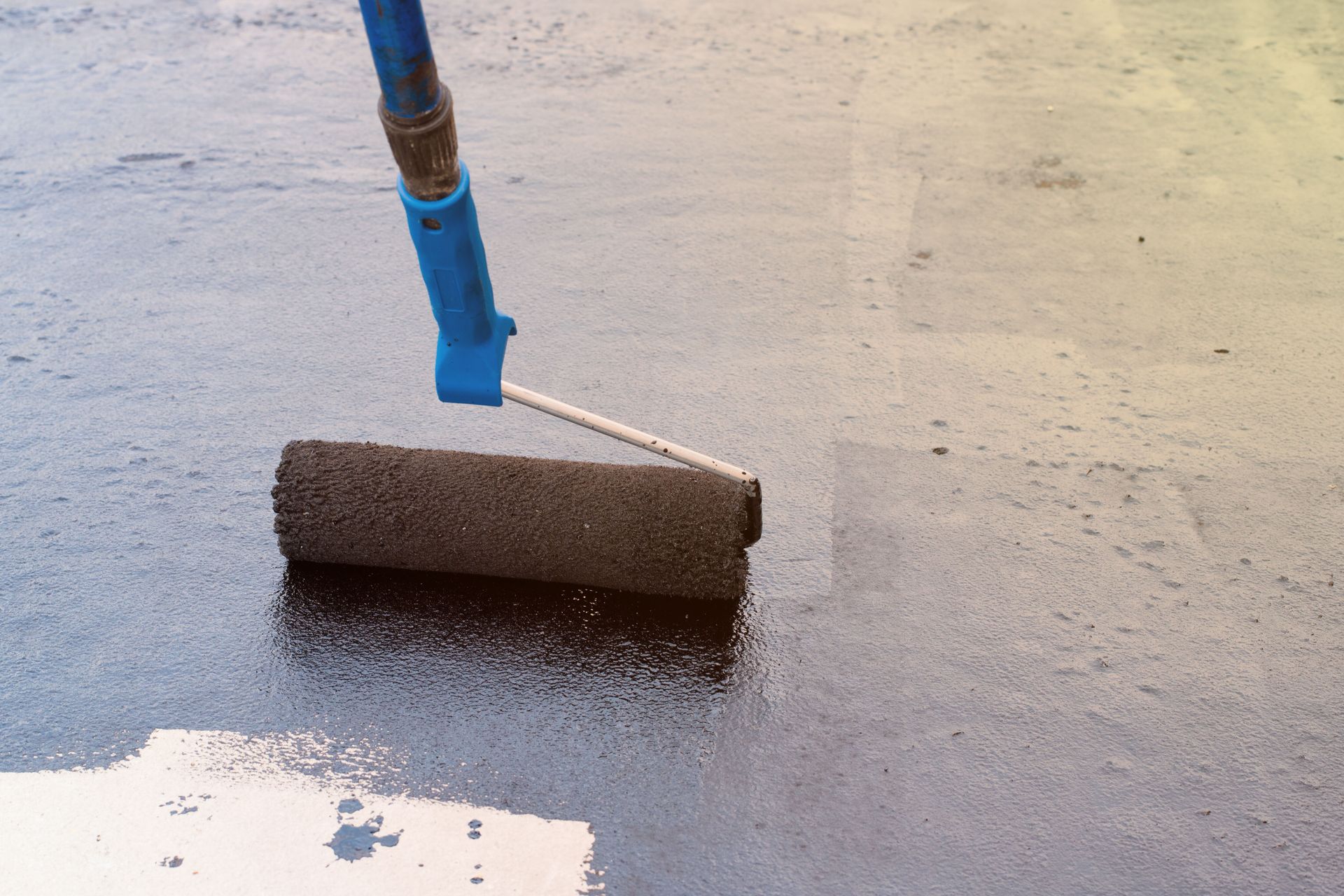
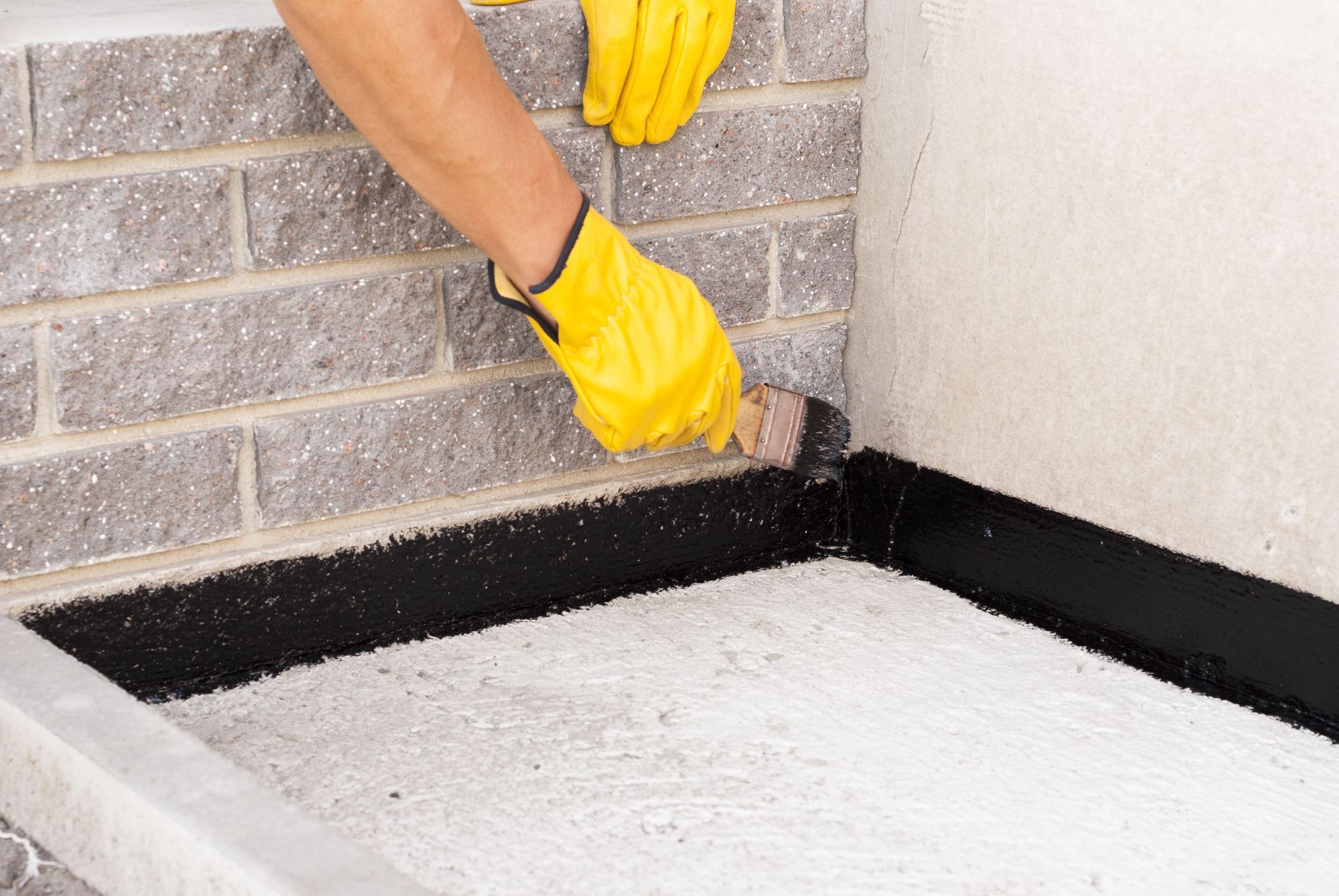
Piering stops the settlement. Waterproofing or drainage may still be needed.
Ready For Next Steps?
You do not have to guess. Book a free inspection with Windler Foundation Repair™ . We will check your home, explain the plan, and give you a fair price. If foundation piering is right for you, we install it fast and leave your yard clean.
The post Things to Know About Foundation Piering appeared first on Windler Foundation Repair™ Systems.